How To Layer Skincare
A practical step-by-step guide to how to layer skincare, including preparation, instructions, common issues, tips, and next steps.
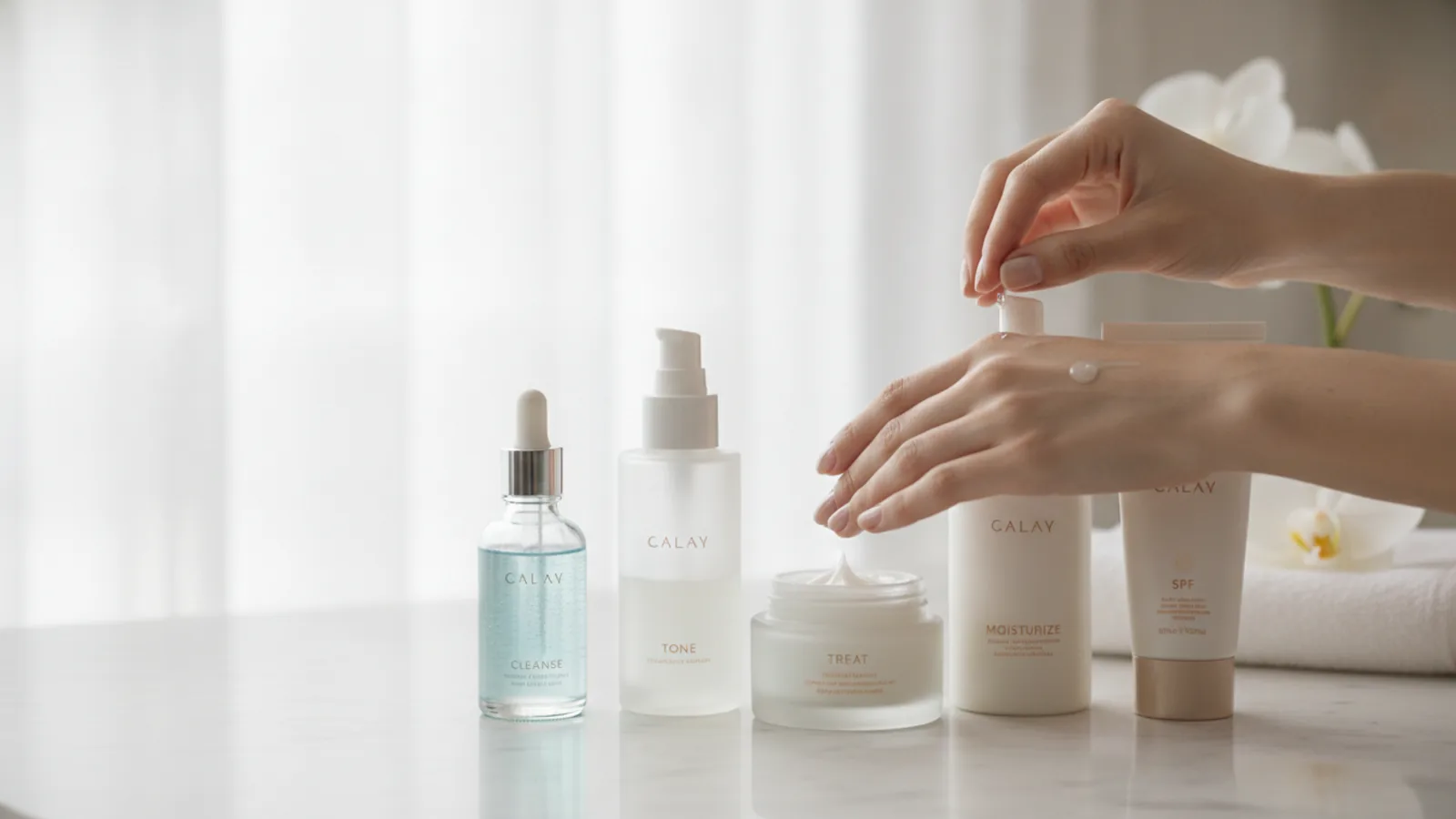
How To Layer Skincare
This guide explains how to approach how to layer skincare, including the preparation, practical steps, common mistakes, and final checks that help you finish with confidence.
Before You Start
Before you begin layering your skincare, it's helpful to understand the basic types of products you might use and their general purpose. Having a clear idea of what each product does will help you choose the right ones for your routine and apply them effectively.
Step-by-Step Instructions
Quick Reference
Common Problems When You Layer Skincare
Even with the right products, sometimes layering can go wrong. Understanding common issues can help you troubleshoot and get back on track for healthy, glowing skin.
Product Pilling
This is when your skincare products seem to rub off in little balls or flakes, rather than absorbing into your skin. It often happens when products don't absorb properly or when certain ingredients react with each other.
Breakouts or Irritation
If you start experiencing new breakouts, redness, stinging, or excessive dryness after changing your layering routine, it's a sign that something isn't quite right.
Not Seeing Results
You've invested time and money, but your skin doesn't look any better. This can be frustrating and might be due to incorrect layering or unrealistic expectations.
Advanced Tips for How to Layer Skincare
Once you've mastered the basics, you might want to explore more advanced layering techniques to get even more out of your skincare routine. These tips focus on strategic use of active ingredients and enhancing product effectiveness.
Understanding Active Ingredient Compatibility
Many advanced skincare routines involve powerful active ingredients. Knowing which ones can be layered and which should be used separately is key to avoiding irritation and maximising benefits:
The "Sandwich Method" for Strong Actives
If you have sensitive skin but want to use strong active ingredients like Retinol or exfoliating acids, the "sandwich method" can help reduce irritation. This involves buffering the active ingredient with moisturiser.
This technique creates a barrier that slows down the penetration of the active, making it less intense for your skin while still delivering benefits.
Layering for Specific Concerns
Listening to Your Skin
Ultimately, advanced layering is about understanding your skin's unique needs and reactions. Some days your skin might need more hydration, other days it might tolerate a stronger active. Pay attention to how your skin feels and adjust your routine accordingly. Don't be afraid to skip a step or use less product if your skin feels overwhelmed.
How To Layer Skincare FAQ
Here are some common questions people ask about layering skincare, with clear answers to help you perfect your routine.
Should I wait between applying different skincare products?
Yes, it's generally a good idea to wait a short period, typically 30-60 seconds, between applying different skincare products. This allows each product enough time to absorb into your skin before the next layer is applied. Waiting helps prevent products from pilling or diluting each other, ensuring each product can work effectively. For very active or potent serums, some experts recommend waiting a bit longer, perhaps up to a minute or two.
Can I mix different serums together?
While some serums can be mixed, it's generally best practice to apply serums one after the other, allowing each to absorb individually. Mixing them directly can sometimes reduce their effectiveness or stability, especially with certain active ingredients. For example, if you want to use a hydrating serum and a Vitamin C serum, apply the hydrating serum first, let it absorb, then apply the Vitamin C serum. The only exception might be if the product instructions specifically state that it's safe and effective to mix with other products.
What if I use an exfoliating acid or face mask? Where does it fit in?
Exfoliating acids (like AHAs or BHAs) should be applied after cleansing and toning, but before any serums or moisturisers. They help remove dead skin cells, allowing subsequent products to penetrate better. These are typically used 2-3 times a week, not daily. For face masks, apply them to clean skin after cleansing (and sometimes toning), following the product's specific instructions for duration. After rinsing off a mask, continue with your toner, serums, and moisturiser.
Do I need an eye cream, or can I just use my regular face moisturiser?
While a regular face moisturiser can offer some hydration to the eye area, eye creams are specifically formulated for the delicate, thinner skin around the eyes. They are often lighter in texture, less likely to cause irritation, and designed to target specific concerns like fine lines, dark circles, or puffiness without being too heavy or potentially migrating into the eyes. If you have specific concerns for your eye area, a dedicated eye cream can be beneficial, but if your regular moisturiser is gentle and non-irritating, it can be sufficient for basic hydration.
When should I apply facial oil in my routine?
Facial oils are generally applied as the very last step in your evening skincare routine, after your moisturiser. This is because oils are occlusive, meaning they create a protective barrier on the skin. Applying them after your moisturiser helps to seal in all the hydrating and active ingredients you've applied previously, preventing moisture loss and providing an extra layer of nourishment. If applied before moisturiser, the oil could create a barrier that prevents your moisturiser from penetrating effectively. In the morning, most people skip facial oils if they are applying makeup, as it can sometimes make makeup slide or look too greasy.
Final Checklist for How to Layer Skincare
Use this checklist to ensure you're layering your skincare products correctly for maximum benefit and healthy skin.
By following these guidelines, you can create an effective skincare routine that helps your products work better together, leading to healthier, happier skin. Remember, consistency and understanding your skin's needs are the most important ingredients for success.