How To Even Skin Tone
A practical step-by-step guide to how to even skin tone, including preparation, instructions, common issues, tips, and next steps.
How To Even Skin Tone
This guide explains how to approach how to even skin tone, including the preparation, practical steps, common mistakes, and final checks that help you finish with confidence.
Before You Start
Step-by-Step Instructions
Quick Reference
Common Problems When You Even Skin Tone
No Noticeable Improvement
If you're following a routine but seeing no significant changes, several factors might be at play. The most common issue is often inconsistent sun protection. Even minimal, unprotected sun exposure can undo weeks of brightening efforts. Another factor might be a lack of consistency with your active ingredients; skincare takes time and regular application. Ensure you're using products with proven active ingredients in effective concentrations. Sometimes, the underlying cause of your uneven tone, such as hormonal melasma, might require a consultation with a dermatologist for prescription-strength treatments or in-office procedures.
Fix: Re-evaluate your sun protection habits. Are you applying enough SPF 30+ daily, and are you reapplying every two hours when outdoors? Are you consistent with your chosen brightening serum? Consider whether your chosen active ingredients are appropriate for your specific concerns. For instance, Vitamin C is great for general brightening, but for very stubborn spots, ingredients like Alpha Arbutin or even a retinoid might be more effective when introduced carefully.
Skin Irritation, Redness, or Dryness
This is a common side effect when introducing active ingredients or exfoliating. Irritation can manifest as redness, stinging, flaking, or excessive dryness. Often, this happens due to over-exfoliation (using AHAs/BHAs too frequently or in too high a concentration), introducing too many active ingredients at once, or using products that are too strong for your skin type. A compromised skin barrier due to irritation can actually worsen uneven tone and make your skin more vulnerable.
Fix: Immediately reduce the frequency of any irritating products. If you're exfoliating multiple times a week, cut back to once. If you're using two active serums, pause one. Focus on rebuilding your skin barrier by using a gentle cleanser and a rich, hydrating moisturiser that contains ceramides or hyaluronic acid. Introduce active ingredients back into your routine slowly, starting with 1-2 times a week, and always patch test. If irritation persists, stop using the product and consult a dermatologist.
New Dark Spots Appearing
The appearance of new dark spots while trying to even your skin tone is almost always a sign of insufficient sun protection. Even if you're using excellent brightening ingredients, if your skin is still exposed to UV radiation without adequate protection, it will continue to produce melanin as a defence mechanism, leading to new pigmentation.
Fix: Seriously commit to your SPF 30+ application. Ensure you're applying a generous amount (a full teaspoon for face and neck) and reapplying every two hours when exposed to the sun, after sweating, or swimming. Also, consider physical sun protection like wide-brimmed hats and seeking shade during peak sun hours (11 am to 3 pm in the UK). If you're using ingredients that increase sun sensitivity, such as AHAs or retinoids, meticulous sun protection is even more critical.
Acne Breakouts or Purging
When you introduce new products, especially exfoliants like AHAs, BHAs, or retinoids, some people might experience an initial period of increased breakouts, often called "purging." This occurs as these ingredients speed up cell turnover, bringing existing microcomedones (clogged pores) to the surface more quickly. If the breakouts are new and persistent in areas where you don't usually break out, it might be an adverse reaction to an ingredient rather than purging.
Fix: If you suspect purging, continue using the product, but ensure your routine is otherwise gentle and hydrating. Purging usually subsides within 2-6 weeks. If breakouts continue beyond this timeframe or appear in unusual areas, the product might be clogging your pores or irritating your skin. Discontinue use and try a different product or formulation. Ingredients like Niacinamide can help calm inflammation associated with breakouts, while BHAs are often effective for acne-prone skin.
Advanced Tips for How to Even Skin Tone
Carefully Introduce Retinoids
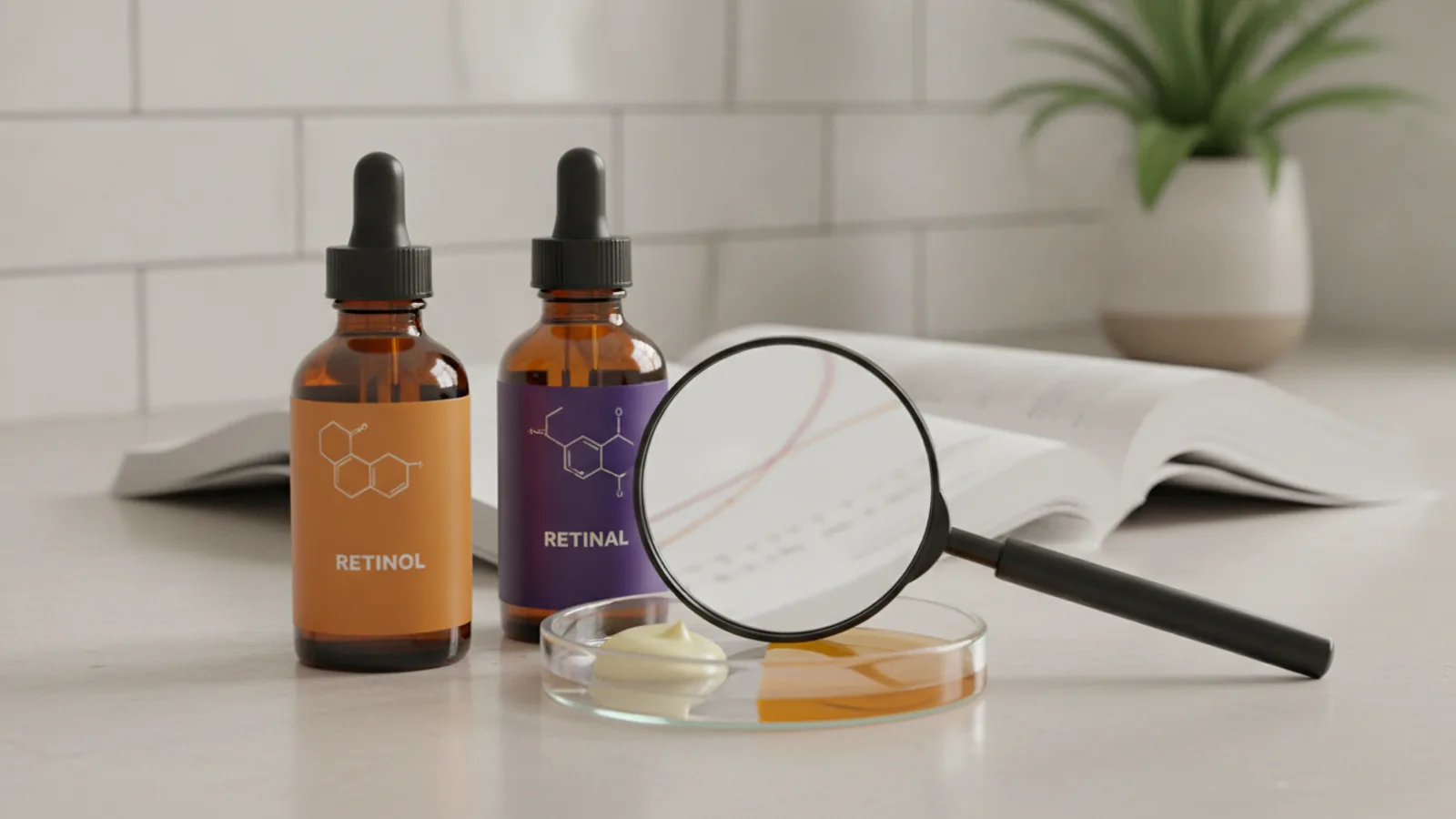
Retinoids (a class of Vitamin A derivatives including retinol, retinaldehyde, and prescription tretinoin) are incredibly powerful for accelerating cell turnover, stimulating collagen production, and effectively fading various forms of hyperpigmentation. They are considered gold-standard ingredients in dermatology for their comprehensive benefits, including evening skin tone.
How to use: Retinoids should be introduced very gradually to minimise potential irritation (redness, dryness, flaking). Start by applying a pea-sized amount to clean, dry skin once or twice a week in the evening. As your skin builds tolerance over several weeks, you can slowly increase frequency. Always use retinoids at night, and meticulous daily SPF 30+ application is non-negotiable, as retinoids make your skin more sensitive to the sun. Consider the "sandwich method" – applying moisturiser before and after your retinoid – to buffer its effects and reduce irritation, especially when starting.
Strategic Layering of Active Ingredients
Once your skin has adjusted to individual active ingredients, you can consider strategic layering to enhance results. However, it's crucial to understand which ingredients can be safely combined and in what order to avoid irritation or reducing their effectiveness.
Consider Professional Treatments for Stubborn Concerns
For persistent uneven skin tone, deep-seated pigmentation (like melasma), or textural irregularities that topical products can't fully address, professional dermatological treatments can offer more intensive solutions. These treatments are performed by qualified professionals and can provide faster, more dramatic results.
Diet and Hydration for Inner Radiance
While external applications are key, what you put into your body also plays a significant role in your skin's health and appearance. A holistic approach supports an even skin tone from the inside out.
Consume a diet rich in antioxidants, found in colourful fruits and vegetables (berries, leafy greens, tomatoes). Antioxidants help to protect your skin cells from damage caused by free radicals, which can contribute to premature ageing and hyperpigmentation. Foods rich in Vitamin C and E are particularly beneficial. Ensure you drink plenty of water throughout the day to keep your skin cells hydrated and plump. Adequate hydration helps maintain skin elasticity and a healthy glow. Reducing processed foods, excessive sugar, and unhealthy fats can also contribute to clearer, calmer skin, reducing inflammation that might lead to redness or post-inflammatory hyperpigmentation.
How To Even Skin Tone FAQ
How long does it typically take to even out skin tone?
Achieving an even skin tone is a gradual process. You can expect to see noticeable improvements in 2 to 6 months of consistent daily care, including diligent sun protection and the use of targeted active ingredients. For more stubborn pigmentation, such as melasma or very old dark spots, it might take 6 to 12 months or even longer, and sometimes professional treatments may be needed for optimal results. Consistency and patience are key.
Can I use multiple brightening ingredients at once?
While some brightening ingredients can be layered, it's generally best to introduce them one at a time. Overdoing it by using too many potent actives (like high concentrations of Vitamin C, retinoids, and AHAs) simultaneously can lead to irritation, redness, and a compromised skin barrier, which can actually worsen uneven tone. Start with one, allow your skin to adjust, and then strategically alternate or layer other actives based on your skin's tolerance and product compatibility. Niacinamide is often well-tolerated and can be used alongside many other actives.
Are natural or DIY remedies effective for evening skin tone?
Some natural ingredients, like liquorice extract, turmeric, or aloe vera, have properties that may help with brightening or reducing inflammation. However, these natural remedies often lack the consistent concentration and scientific backing of professionally formulated skincare products to provide significant, lasting results for uneven skin tone. While they might offer some benefits, they typically won't be as effective as clinically proven active ingredients. Always exercise caution and patch test any DIY remedies, as some can cause irritation or photosensitivity.
Is an even skin tone permanent once achieved?
Unfortunately, no. An even skin tone requires ongoing maintenance. Your skin is constantly exposed to factors like sun, pollution, and hormonal changes, all of which can trigger new pigmentation or worsen existing discolouration. Consistent daily sun protection (SPF 30+), a gentle skincare routine, and the continued use of brightening ingredients are essential to maintain your results and prevent the recurrence of uneven tone. Think of it as an ongoing commitment to healthy skin.
What causes uneven skin tone?
Uneven skin tone is primarily caused by an irregular production of melanin, the pigment that gives skin its colour. Common culprits include: