How To Clean Nose Pores
A practical step-by-step guide to how to clean nose pores, including preparation, instructions, common issues, tips, and next steps.
How To Clean Nose Pores
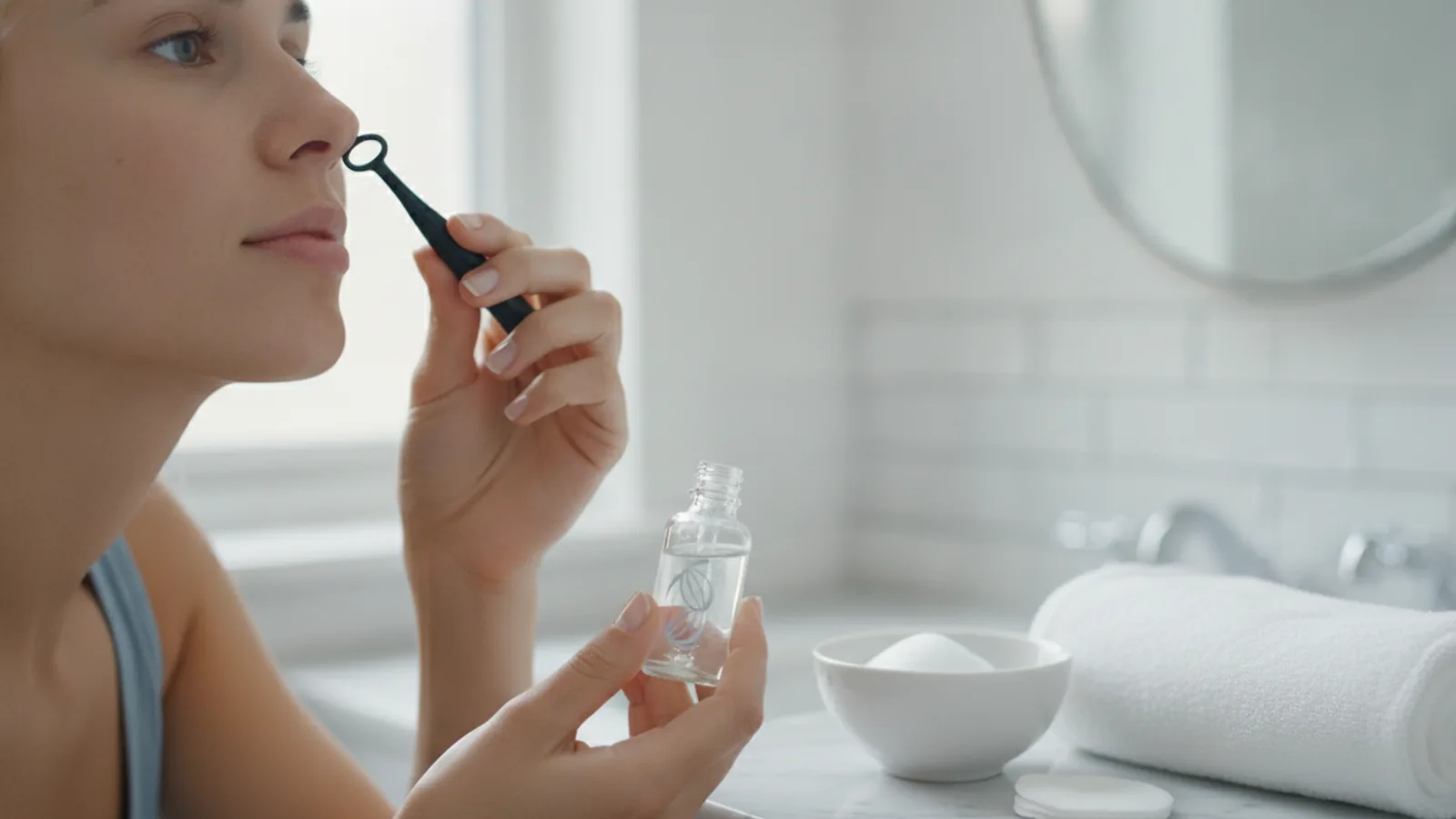
This guide explains how to approach how to clean nose pores, including the preparation, practical steps, common mistakes, and final checks that help you finish with confidence.
Before You Start
Before you begin cleaning your nose pores, gather all necessary items to ensure a smooth and effective process. Using the right products and preparing your skin properly will help achieve the best results while minimising irritation.
What You Need
The key to effectively cleaning nose pores is a combination of gentle cleansing, targeted exfoliation, and deep purification. You won't need harsh tools or aggressive scrubbing, which can actually make the problem worse. Instead, focus on products that work to dissolve the build-up inside the pores.
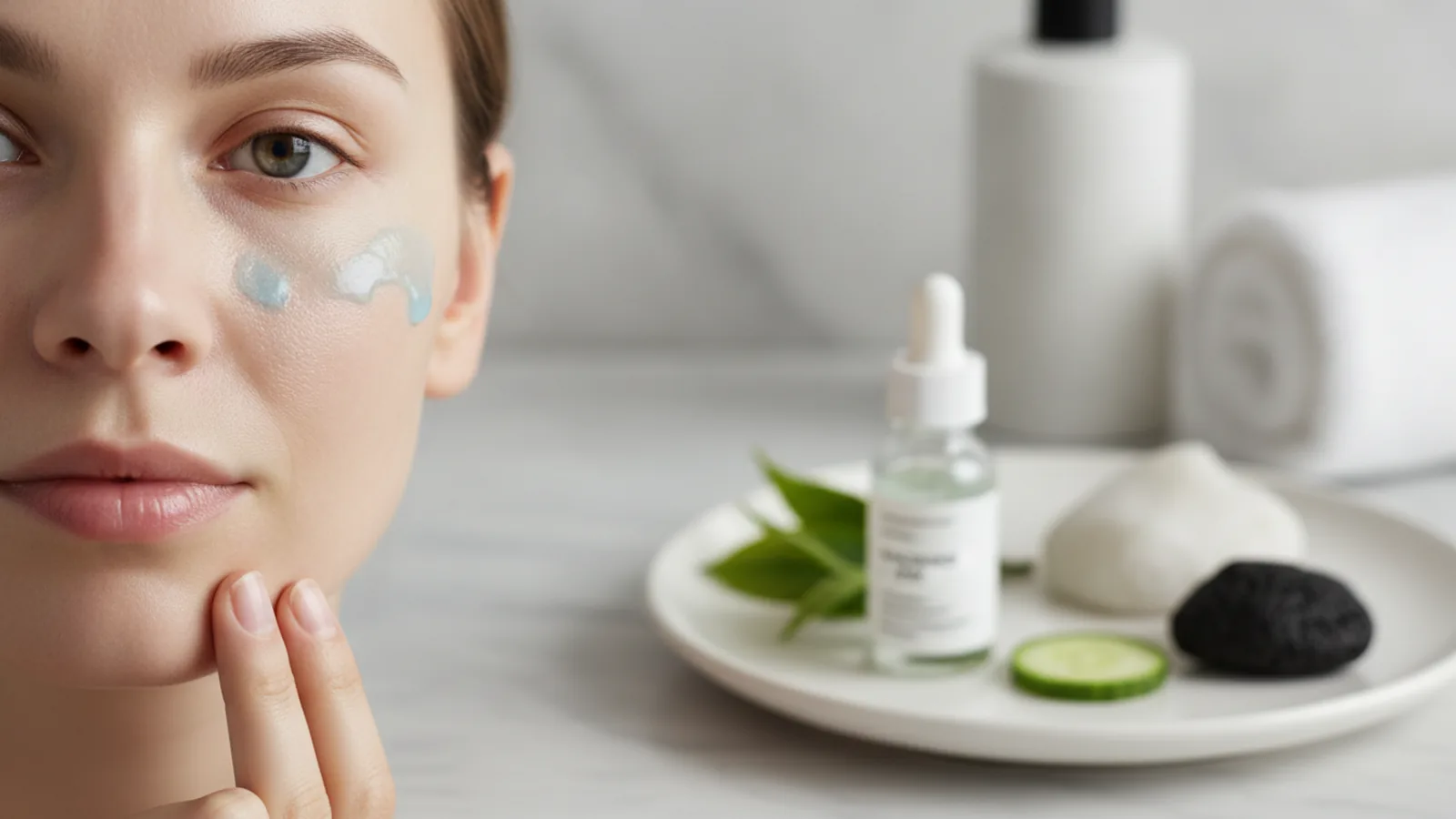
For this guide, you will need a gentle facial cleanser, warm water, a soft face cloth, a salicylic acid (BHA) exfoliant (such as a toner or serum), a clay or charcoal mask, and a light moisturiser. Make sure all products are suitable for your skin type and are non-comedogenic, meaning they won't clog pores further.
Safety, Timing, or Context Checks
Timing is crucial for effective pore cleaning. It's often best to perform this routine in the evening, allowing your skin to recover overnight. Avoid doing this right before an important event, as some temporary redness or sensitivity can occur.
Step-by-Step Instructions
Follow these steps carefully to ensure a thorough yet gentle cleaning of your nose pores. Consistency is key for lasting results.
Quick Reference
Common Problems When You Clean Nose Pores
While cleaning your nose pores can significantly improve skin health, it's possible to encounter some issues. Knowing what these problems are and how to address them can help you stay on track and avoid further irritation.
No Immediate Results
Problem: You've followed the steps, but your pores don't look perfectly clear overnight. This is one of the most common expectations versus reality. Deeply clogged pores don't clear instantly, and their appearance can take time to improve.
Fix: Patience and consistency are key. It can take several weeks of regular treatment (2-3 times per week) to see a noticeable difference. Focus on prevention and gradual improvement rather than instant perfection. Ensure you are consistently using your BHA exfoliant and mask.
Redness or Irritation
Problem: Your skin, especially around your nose, feels red, itchy, or stings after treatment. This usually indicates over-exfoliation or sensitivity to a product.
Fix: Immediately reduce the frequency of your BHA exfoliant and mask application. If you were using it 3 times a week, cut back to once or twice. Ensure you're not using other harsh exfoliants (like scrubs) at the same time. Temporarily switch to an even milder cleanser and focus on soothing, hydrating products. If irritation persists, discontinue use and consult a healthcare professional.
Dryness or Flaking
Problem: Your nose area feels tight, dry, or starts to flake, even if you moisturise. This is a sign that your skin's moisture barrier might be compromised, likely due to excessive exfoliation or not enough hydration.
Fix: Increase your moisturiser usage, applying it morning and night. Consider using a richer, but still non-comedogenic, moisturiser, especially at night. Reduce the frequency of your exfoliating steps (BHA and mask) and ensure the products you are using are free from harsh alcohols or fragrances that can be drying.
New Breakouts
Problem: Sometimes, after starting a new pore-cleaning routine, you might experience a temporary increase in breakouts, often called "purging." This happens as active ingredients bring impurities to the surface.
Fix: Purging is often temporary and lasts a few weeks. If the breakouts are small, consistent with areas where you usually get clogged pores, and clear up relatively quickly, it might be purging. Continue with your routine. However, if breakouts are severe, painful, or appear in new areas, it might be a true adverse reaction to a product, and you should stop using the problematic item.
Pores Still Look Large
Problem: Even after cleaning, pores on your nose still appear prominent. It's important to remember that pore size is largely determined by genetics and cannot be permanently shrunk.
Fix: While you can't shrink pores, you can make them *appear* smaller by keeping them consistently clean and free of blockages. When pores are clogged, the debris stretches the pore walls, making them look larger. Regular cleaning, along with using products that support skin elasticity (like antioxidants and regular SPF), can help minimise their visible appearance.
Advanced Tips for How to Clean Nose Pores
Once you've mastered the basic routine, consider these advanced tips to further enhance your results and maintain clear, healthy skin around your nose.
Incorporate Niacinamide
Niacinamide, a form of Vitamin B3, is a powerful ingredient that can complement your pore-cleaning efforts. It helps to regulate oil production, improve skin barrier function, and reduce inflammation, which can indirectly lead to less clogged pores and a more even skin tone.
- How to use: Look for a serum containing 5-10% niacinamide. Apply it to your clean face after your BHA exfoliant (if using a separate BHA serum) but before your moisturiser. It can be used daily, morning and/or night.
- Benefit: Helps prevent new clogs by controlling oil, and can also help minimise the appearance of enlarged pores over time.
Consider Gentle Physical Exfoliation (Spaced Out)
While chemical exfoliants (like BHA) are preferred for deeper pore cleaning, a very gentle physical exfoliant can be used occasionally for surface smoothness, but with extreme caution.
- How to use: If you choose to use a physical scrub, opt for one with very fine, non-abrasive particles. Use it no more than once a week, and *not* on the same day you use your BHA exfoliant or mask. Gently massage onto damp skin for a short period (e.g., 30 seconds) and rinse thoroughly.
- Caution: Avoid harsh scrubs with large, irregular particles (like crushed nuts) as these can cause micro-tears in the skin and worsen irritation.
Double Cleansing (Especially if Wearing Makeup/SPF)
If you wear make-up, heavy sunscreen, or have particularly oily skin, incorporating a double cleansing method into your evening routine can be very beneficial. This ensures a deeper clean and helps prevent product build-up.
- How to use: Start with an oil-based cleanser, balm, or micellar water to dissolve oil-soluble impurities like make-up and SPF. Massage it onto dry skin, then rinse. Follow immediately with your regular water-based gentle cleanser to wash away any remaining residue.
- Benefit: Ensures that all surface impurities are thoroughly removed, allowing your subsequent treatments (like BHA) to penetrate more effectively.
Optimise Your Diet and Hydration
What you put into your body can affect your skin's health. While not a direct pore-cleaning method, a balanced diet and adequate hydration support overall skin function, which can impact pore health.
- How to use: Focus on a diet rich in fruits, vegetables, lean proteins, and healthy fats. Reduce intake of highly processed foods, excessive sugar, and dairy, as these can sometimes exacerbate skin issues for some individuals. Drink plenty of water throughout the day.
- Benefit: Supports healthy skin cell turnover, reduces inflammation, and can help regulate sebum production from within.
Professional Treatments (Consult a Specialist)
For persistent issues or a desire for more intensive clearing, professional treatments can be an option. These should always be performed by a qualified dermatologist or esthetician.
- Examples: Professional facials with extractions, microdermabrasion, or chemical peels can offer deeper cleaning and exfoliation than at-home methods.
- Consideration: Always discuss your skin concerns and goals with a professional to determine the most suitable and safest treatment plan for your skin type.
How To Clean Nose Pores FAQ
Here are answers to some frequently asked questions about cleaning nose pores.
What causes clogged nose pores?
Clogged nose pores, often appearing as blackheads or sebaceous filaments, are primarily caused by a build-up of excess sebum (the natural oil produced by your skin), dead skin cells, and environmental dirt. When this mixture oxidises upon exposure to air, it turns dark, forming blackheads. Sebaceous filaments are a natural part of your skin, consisting of sebum and dead skin cells that line the pore and help oil flow; they become more visible when the pore is full.
Can I squeeze blackheads or clogged pores?
No, it is highly recommended to avoid squeezing or picking at blackheads and clogged pores yourself. Manual extraction by untrained hands can push bacteria deeper into the skin, lead to inflammation, cause bruising, scarring, or even infection. If you feel the need for extractions, always consult a professional dermatologist or esthetician who can perform them safely and hygienically.
How often should I clean my nose pores?
A comprehensive deep-cleaning routine involving a BHA exfoliant and a clay mask should typically be performed 2-3 times per week. Daily cleaning with a gentle cleanser is essential. Overdoing active treatments can strip your skin, leading to irritation, dryness, and potentially encouraging your skin to produce more oil.
Are pore strips effective for cleaning nose pores?
Pore strips can remove superficial debris and blackhead "plugs" from the very surface of your pores. However, they don't address the root cause of clogged pores (excess oil and dead skin cells deeper within). They can also be harsh, cause irritation, and potentially stretch pores if used too frequently or aggressively. For a deeper, more sustainable clean, chemical exfoliants like salicylic acid are generally more effective and gentler on the skin.
Can diet affect my nose pores?
Yes, diet can play a role in skin health, including the condition of your pores. While individual responses vary, some research suggests a link between high-glycaemic foods (like refined sugars and carbs) and dairy products with increased sebum production and inflammation, which can contribute to clogged pores and breakouts. Maintaining a balanced diet rich in whole foods, antioxidants, and adequate hydration can support overall skin health.
Will cleaning my nose pores make them disappear?
No, cleaning your nose pores will not make them disappear. Pores are a natural and necessary part of your skin's anatomy, allowing sebum to reach the surface to lubricate and protect the skin. What cleaning does is remove the debris that makes them appear enlarged or dark. By keeping them clear, you can significantly minimise their visible appearance and improve the overall smoothness and clarity of your skin.
Final Checklist for How To Clean Nose Pores
Before you conclude your pore-cleaning routine, quickly review this checklist to ensure you've covered all the essential steps and considerations for healthy, clear skin.
- Gathered All Supplies: Have your gentle cleanser, BHA exfoliant, mask, and moisturiser ready?
- Cleanse Gently: Did you cleanse your face with a mild cleanser and lukewarm water for 60 seconds?
- Prepared Pores: Did you use a warm compress or gentle steam for 3-5 minutes?
- Applied BHA: Was your salicylic acid exfoliant applied evenly and left on?
- Used Clay/Charcoal Mask: Was the mask applied for the recommended time (10-15 minutes) and rinsed thoroughly?
- Moisturised Adequately: Did you follow up with a light, non-comedogenic moisturiser?
- Checked for Irritation: Is your skin feeling comfortable, not overly red or dry?
- Planned for Consistency: Have you scheduled your next pore-cleaning session (2-3 times per week)?
- Daily SPF: Are you committed to using a broad-spectrum SPF 30+ sunscreen every morning?
- Avoided Picking: Did you resist the urge to squeeze or pick at your pores?