How To Apply Toner
A practical step-by-step guide to how to apply toner, including preparation, instructions, common issues, tips, and next steps.
How To Apply Toner
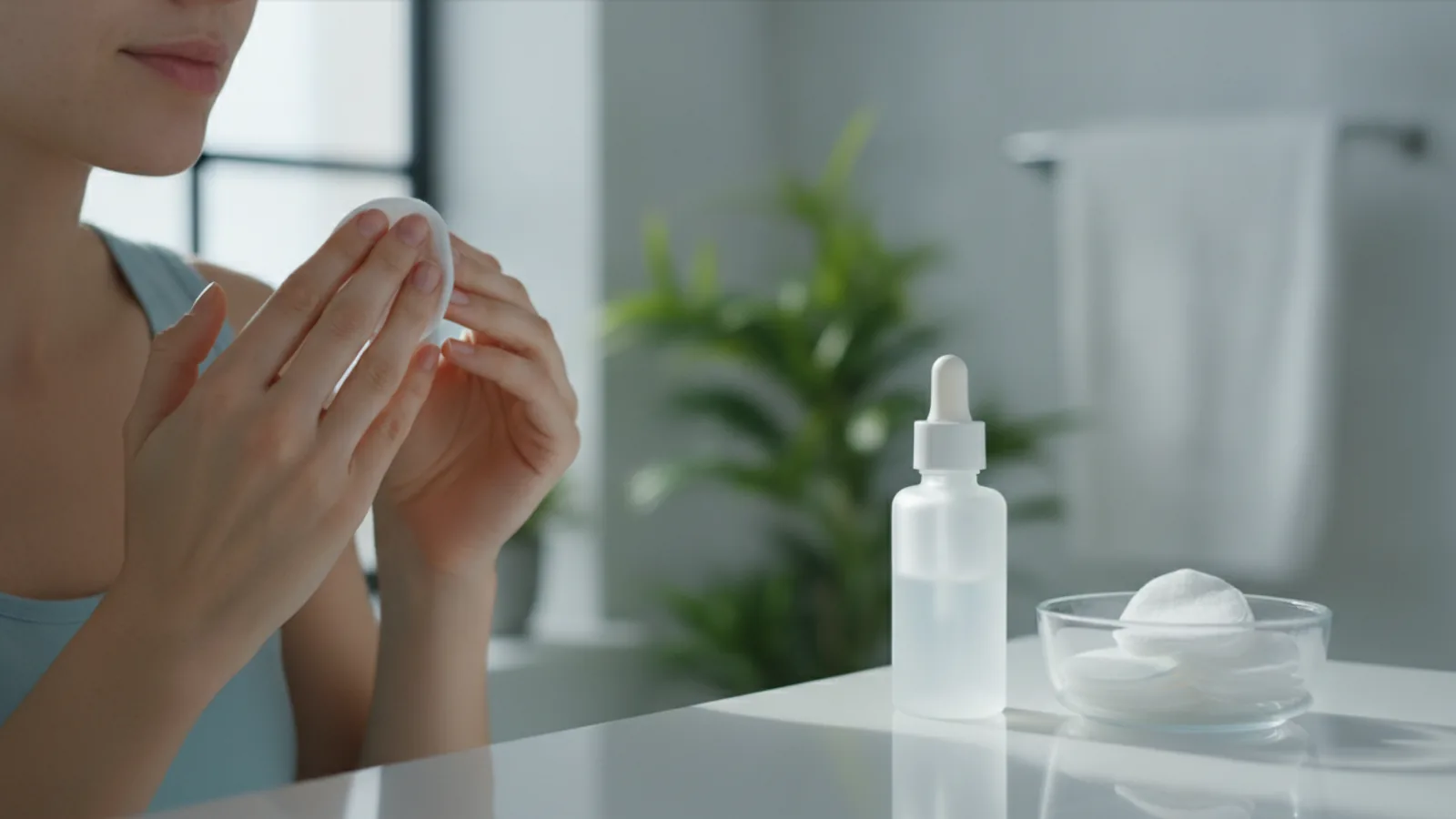
This guide explains how to approach how to apply toner, including the preparation, practical steps, common mistakes, and final checks that help you finish with confidence.
Before You Start
Before you begin, ensure you have everything ready and understand why each item is important for a successful toner application.
Step-by-Step Instructions
Quick Reference
Common Problems When You Apply Toner
Even though applying toner seems straightforward, some common issues can arise. Knowing how to troubleshoot these can save you from frustration and help you achieve better results.
Skin Irritation or Redness
Problem: Your skin feels tingly, itchy, or looks red after applying toner. This is often a sign of irritation.
Fix: First, check the ingredient list of your toner. It might contain harsh ingredients like high concentrations of alcohol or strong exfoliating acids that your skin can't tolerate. Consider switching to a gentler, alcohol-free toner, especially if you have sensitive skin. Also, ensure you're not over-exfoliating if your toner contains acids; perhaps use it less frequently (e.g., every other day instead of daily).
Sticky or Tacky Feeling
Problem: Your skin feels sticky or tacky after the toner has been applied, rather than refreshed and slightly damp.
Fix: This usually means you've either used too much toner or the product isn't fully absorbing. Try reducing the amount you dispense. If using a hydrating toner, a slightly tacky feel can be normal, but excessive stickiness is not. Give the toner a full 60 seconds to absorb before applying other products. If the problem persists, the toner might be too heavy or rich for your skin type, and you might need to try a lighter formula.
Not Seeing Any Results
Problem: You've been using toner for a while, but you don't notice any positive changes in your skin.
Fix: First, ensure you're using the right type of toner for your specific skin concerns. For instance, if you have oily skin and are using a hydrating toner, you might not see oil control benefits. Second, be consistent! Toner needs to be used regularly, usually twice a day, to show results. Finally, remember that toner is part of a larger routine; it won't single-handedly solve all skin problems but works best when combined with effective cleansing, serums, and moisturising.
Leaving Lint or Fibres on Skin
Problem: If you use cotton pads, you might sometimes find small fibres or lint left on your face after application.
Fix: This is a sign that your cotton pads are not high quality or are too flimsy. Switch to lint-free, softer cotton pads. Alternatively, consider switching to the hand application method to avoid this issue entirely. You can also try reusable bamboo or microfibre pads, which are designed to be lint-free.
Toner Drips into Eyes
Problem: During application, toner accidentally gets into your eyes, causing irritation or stinging.
Fix: Always take extra care to avoid the delicate eye area. If you're using a cotton pad, make sure it's damp, not dripping wet. If using your hands, gently pat and press the toner onto the outer areas of your face first and then move inward, stopping short of the eye orbital bone. If toner does get into your eyes, rinse them immediately and thoroughly with cool water.
Advanced Tips for How to Apply Toner
Once you're comfortable with the basics, you might want to explore ways to get even more out of your toner. These advanced tips can help customise your routine for specific needs and enhance your results.
The "7-Skin Method" for Intense Hydration
This popular Korean beauty technique involves applying 7 thin layers of a hydrating, alcohol-free toner (or essence) immediately after cleansing. The idea is to build up deep hydration within the skin. Dispense a few drops of toner into your hands, gently pat it into your skin, wait about 15-30 seconds for it to absorb slightly, and then repeat the process six more times. This method can make your skin incredibly plump and dewy, ideal for dry or dehydrated skin types.
Targeted Toning (Multi-Toning)
Just as you might multi-mask, you can also multi-tone. This means using different toners on different areas of your face based on their specific needs. For example, you might use an exfoliating toner (with AHA/BHA) on your T-zone if it's oily or prone to breakouts, and a hydrating or soothing toner on your drier or more sensitive cheeks. Apply each toner to its designated area with a fresh cotton pad or clean fingers.
Toner "Mask" or Compression Mask
For an intense hydration boost or to calm irritated skin, you can create a DIY toner mask. Soak several thin cotton pads (or a specially designed compression mask sheet) with a hydrating or soothing toner. Place these soaked pads onto specific areas of your face that need extra attention, such as your cheeks, forehead, or chin. Leave them on for 5-10 minutes, then remove and gently pat any remaining product into your skin. This is great for an instant pick-me-up.
Applying Toner When Skin is Still Damp
While we advise letting your face dry slightly after cleansing, applying toner to skin that is still *slightly* damp (not dripping wet) can sometimes enhance absorption, especially for hydrating toners. The dampness can act as a carrier, helping the toner penetrate more effectively. Experiment to see if this feels better for your skin and toner type.
Understanding Active Ingredients
For advanced users, knowing the active ingredients in your toner allows you to tailor your routine more precisely. For instance, toners with AHAs (Alpha Hydroxy Acids) like glycolic acid are for exfoliation and brightness, best used in the evening and followed by SPF. BHAs (Beta Hydroxy Acids) like salicylic acid are excellent for oily and acne-prone skin, penetrating oil to clear pores. Hydrating ingredients like hyaluronic acid or glycerin provide moisture. Always be aware of how these actives interact with other products in your routine, especially if you're using other strong ingredients like retinoids or vitamin C.
How To Apply Toner FAQ
Here are some of the most common questions people ask about using toner.
How often should I use toner?
Most toners are designed for use twice daily, once in the morning and once in the evening, after cleansing. However, if you have very sensitive skin, or if your toner contains strong active ingredients like exfoliating acids, you might start by using it once a day or every other day to see how your skin reacts. Always listen to your skin and adjust the frequency as needed.
Do I really need to use a toner?
While not strictly essential for everyone, a good toner can significantly enhance your skincare routine. It helps to balance your skin's pH after cleansing, remove any last traces of impurities, and prepare your skin to better absorb subsequent products like serums and moisturisers. For some, a well-chosen toner can address specific concerns like excess oil, dryness, or dullness. If your skin feels great without it, then it might not be a must-have for you, but it can certainly be beneficial.
Can I use toner with Vitamin C or Retinol?
Yes, you can often use toner with Vitamin C and Retinol, but you need to be mindful of the types of products you're combining. If your toner contains exfoliating acids (like AHAs or BHAs), using it alongside strong Vitamin C serums or Retinol treatments can potentially cause irritation, especially for sensitive skin. It's generally safer to use a gentle, hydrating, or soothing toner if you're already using strong actives in other steps. If you want to use an exfoliating toner, consider alternating its use with your Vitamin C/Retinol days, or use the exfoliating toner in the morning and the Vitamin C/Retinol at night.
What's the difference between toner and essence?
The lines between toners and essences can sometimes be blurry, especially with the rise of K-beauty. Traditionally, toners were primarily for cleansing and balancing pH, often with astringent properties. Essences are typically more concentrated and contain a higher level of active ingredients, designed to provide specific benefits like hydration, brightening, or anti-aging. Essences are generally applied after toner (if using both) and before serums. Modern toners, especially hydrating ones, can often feel quite similar to essences in terms of texture and benefits.
Should toner sting my face?
No, toner should generally not sting your face. A mild, refreshing tingle might be acceptable for some exfoliating toners, but a noticeable sting, burning, or prolonged discomfort is a sign of irritation. This could mean the toner is too strong for your skin type, contains ingredients you are sensitive to (like alcohol), or your skin barrier is compromised. If you experience stinging, discontinue use and opt for a milder, soothing formula.
Final Checklist for How to Apply Toner
To ensure you've covered all the bases for effective toner application, run through this quick checklist:
- Is your face thoroughly cleansed and slightly damp?
- Have you chosen the correct toner for your skin type and concerns?
- Are your hands clean or your cotton pad soft and lint-free?
- Have you dispensed the right amount of toner – not too much, not too little?
- Have you applied the toner gently and evenly across your face, neck, and decolletage?
- Have you avoided the delicate eye area?
- Have you allowed sufficient time (30-60 seconds) for the toner to absorb into your skin?
- Are you ready to follow up with your serums and moisturiser?
- Is your skin feeling refreshed, balanced, and free from irritation?
By following these steps and checking these points, you can confidently integrate toner into your daily routine, paving the way for healthier, more radiant skin. Consistency is key, so make toner application a regular part of your skincare ritual.