How To Apply Retinol
A practical step-by-step guide to how to apply retinol, including preparation, instructions, common issues, tips, and next steps.
How To Apply Retinol
Before You Start
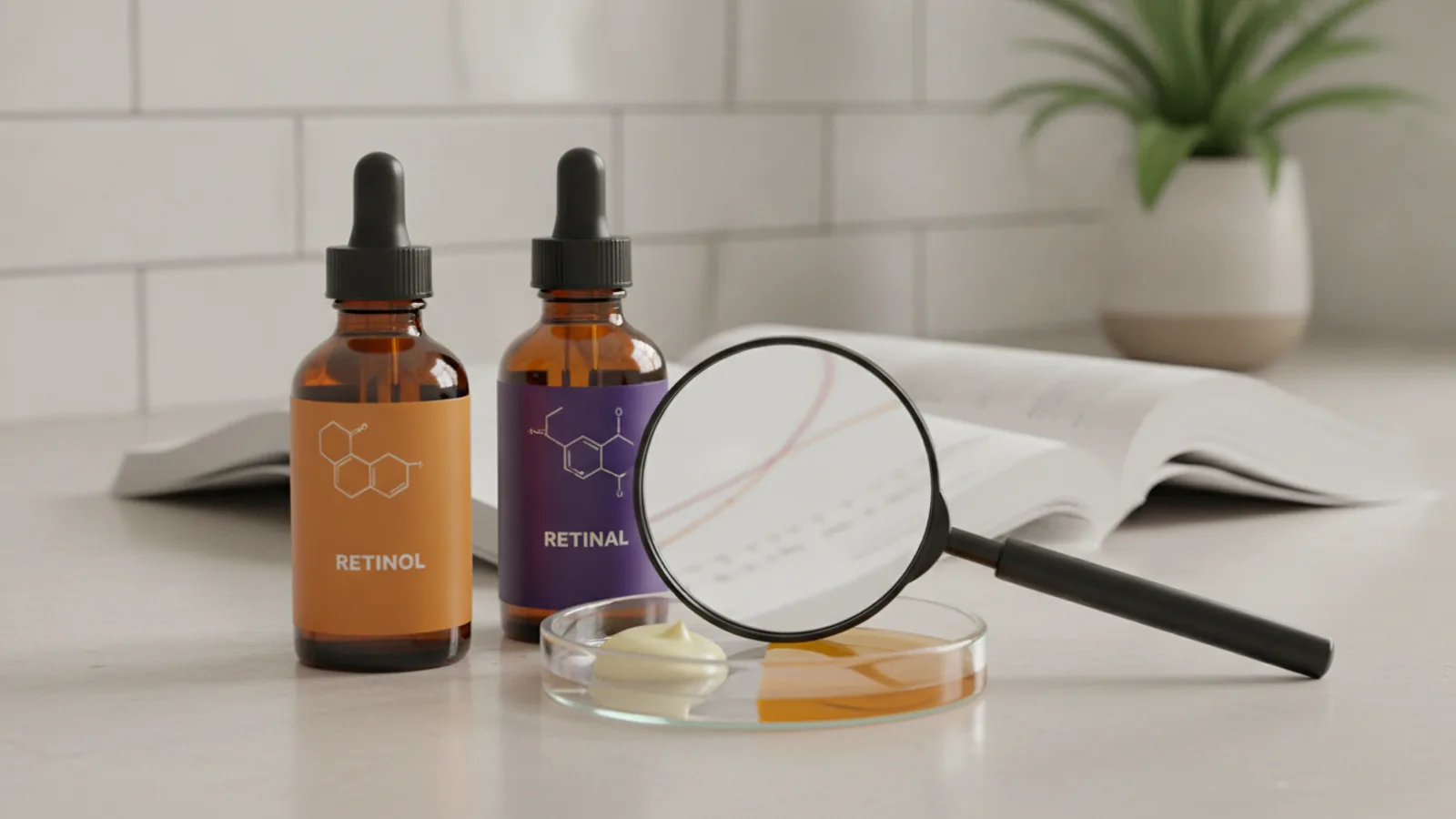
Before you begin using retinol, it's helpful to understand what it is and what results you can expect. Retinol is a type of retinoid, which comes from Vitamin A. It works by encouraging your skin cells to renew faster, helping to reduce the look of fine lines, wrinkles, and dark spots. It can also help with acne by keeping pores clear. Remember that results take time, usually several weeks to months of consistent use.
What You Need
Safety, Timing, or Context Checks
Step-by-Step Instructions
Quick Reference
Common Problems When You Apply Retinol
While retinol offers many benefits, it's common to experience some side effects, especially when you first start using it. These are often signs that your skin is adjusting, a process sometimes called "retinization." Knowing how to handle these issues can help you stick with your routine.
Redness and Irritation
One of the most common reactions is redness, stinging, or a warm sensation. This usually happens when your skin is getting used to the retinol. If the redness is mild and temporary, it's often normal. If it's severe or painful, it's a sign to ease up.
- Fix: Reduce how often you use retinol. Go back to 1-2 times a week. Make sure you're using a rich, calming moisturizer. You might also try applying moisturizer before your retinol (the sandwich method) to create a buffer.
Dryness and Peeling
Retinol speeds up cell turnover, which can lead to dryness, flakiness, or peeling, especially around the nose, mouth, and eyes. This can be annoying, but it usually lessens over time as your skin adjusts.
- Fix: Increase your use of a thick, hydrating moisturizer, both morning and night. Focus on ingredients like ceramides, hyaluronic acid, and shea butter. Ensure your skin is completely dry before applying retinol, and consider reducing frequency or using a lower strength product.
Breakouts (Purging)
Some people experience an initial breakout of acne, often called "purging," when they start retinol. This happens because retinol brings underlying clogged pores to the surface faster. Purging usually lasts for 2-6 weeks and then improves.
- Fix: Don't stop using retinol during purging unless the breakouts are severe and painful. Continue with your routine, focus on gentle cleansing, and avoid picking at blemishes. If it lasts longer than 6-8 weeks, consult a dermatologist.
Increased Sun Sensitivity
As mentioned, retinol makes your skin more vulnerable to sun damage. This isn't a "problem" if managed correctly, but a significant risk if ignored. Sun exposure can lead to sunburn, dark spots, and reverse the benefits of retinol.
- Fix: This is an easy fix: wear broad-spectrum sunscreen with SPF 30 or higher every single day, no exceptions. Reapply every two hours if you're outdoors. Also, consider wearing wide-brimmed hats and seeking shade.
Advanced Tips for How To Apply Retinol
Once your skin has fully adjusted to regular retinol use, you might consider some advanced techniques to maximize its benefits or manage lingering sensitivity.
The Retinol "Sandwich Method"
If you have particularly sensitive skin or are experiencing dryness and irritation even after gradual introduction, the sandwich method can be very helpful. Instead of applying retinol directly to clean, dry skin, you create a buffer.
- How to do it: After cleansing and drying your face, apply a thin layer of your chosen hydrating moisturizer. Wait a few minutes for it to absorb. Then, apply your pea-sized amount of retinol. After the retinol has absorbed for a minute, apply another layer of moisturizer. This method dilutes the retinol's direct contact with your skin, reducing irritation while still allowing it to work.
Applying Retinol to the Neck and Chest
The skin on your neck and chest can also show signs of aging, and retinol can be beneficial there too. However, this skin is often thinner and more sensitive than the face.
- How to do it: Start by introducing retinol to these areas even more slowly than your face – perhaps just once a week. Use a smaller amount of product. Pay extra attention to moisturizing and, most importantly, extend your daily sunscreen application to your neck and chest as well. Be mindful of increased sensitivity in these areas.
Alternating with Other Active Ingredients
Once your skin is fully accustomed to retinol (usually after 3-6 months of consistent use), you might want to incorporate other active ingredients like AHAs (alpha-hydroxy acids) or Vitamin C into your routine. Combining them incorrectly can lead to over-exfoliation and irritation.
- How to do it: Do not apply retinol and strong AHAs/BHAs on the same night. Instead, alternate nights. For example, use retinol on Monday, Wednesday, Friday, and an AHA/BHA product on Tuesday and Thursday. For Vitamin C, it's often best to use it in your morning routine to take advantage of its antioxidant properties, while keeping retinol for your evening routine.
Using a Higher Strength Retinol
After many months of using a lower strength retinol (e.g., 0.25% or 0.5%) without any issues, you might consider moving up to a slightly higher concentration if you feel your skin has plateaued and you want to see further results. Always make this change gradually.
- How to do it: When switching to a higher strength (e.g., from 0.5% to 1%), treat it like starting retinol for the first time. Revert to using it only 2-3 times a week initially, and slowly increase frequency as your skin tolerates it. Monitor your skin closely for any renewed signs of irritation.
How To Apply Retinol FAQ
How long does it take to see results from retinol?
Patience is key with retinol. You might start to notice minor improvements in skin texture and clarity within 6-8 weeks. More significant changes, like a reduction in fine lines and dark spots, typically become visible after 3-6 months of consistent use. Full benefits often take up to a year to appear.
Can I use retinol every night?
Eventually, yes, many people can use retinol every night. However, it's crucial to build up to this frequency slowly. Start with 2-3 times a week, and if your skin shows no signs of irritation after several weeks, you can gradually increase to every other night, then eventually every night. Always listen to your skin and reduce frequency if irritation occurs.
What happens if I stop using retinol?
If you stop using retinol, your skin will gradually revert to its previous state. The benefits you gained, such as reduced fine lines, improved texture, and clearer pores, will slowly fade over time. Retinol is an ingredient that requires consistent, long-term use to maintain its results.
Can I use retinol around my eyes?
The skin around the eyes is very delicate and prone to irritation. It's best to avoid applying your regular facial retinol directly to this area. Instead, consider using an eye cream specifically formulated with a low concentration of retinol or a gentler retinoid. These products are designed to be safer for the sensitive eye area.
Is it okay to use retinol in the morning?
No, it is generally not recommended to use retinol in the morning. Retinol is sensitive to sunlight and can degrade, making it less effective. More importantly, it increases your skin's sensitivity to UV radiation, making you more prone to sunburn and sun damage. Always apply retinol as part of your nighttime skincare routine.
What if I forget to apply retinol one night?
Don't worry if you miss a night. Simply continue your routine the next evening as scheduled. There's no need to apply extra the next night to "make up" for it, as this could lead to irritation. Consistency over time is more important than perfect daily application.
Final Checklist for How To Apply Retinol
Here’s a quick summary to ensure you're applying retinol safely and effectively:
- Cleanse gently: Always start with a clean face.
- Dry completely: Wait 10-20 minutes after washing your face.
- Pea-sized amount: Use only a small amount for your whole face.
- Avoid sensitive areas: Keep retinol away from eyes, nostrils, and mouth.
- Moisturize well: Apply a rich, hydrating moisturizer after retinol.
- Daily SPF 30+: Wear broad-spectrum sunscreen every single morning.
- Start slow: Begin 2-3 nights a week and gradually increase usage.
- Listen to your skin: Reduce frequency or strength if irritation occurs.
By following these steps, you can confidently integrate retinol into your routine and work towards healthier, more radiant skin. Remember, consistency and patience are your best allies when using this powerful ingredient.