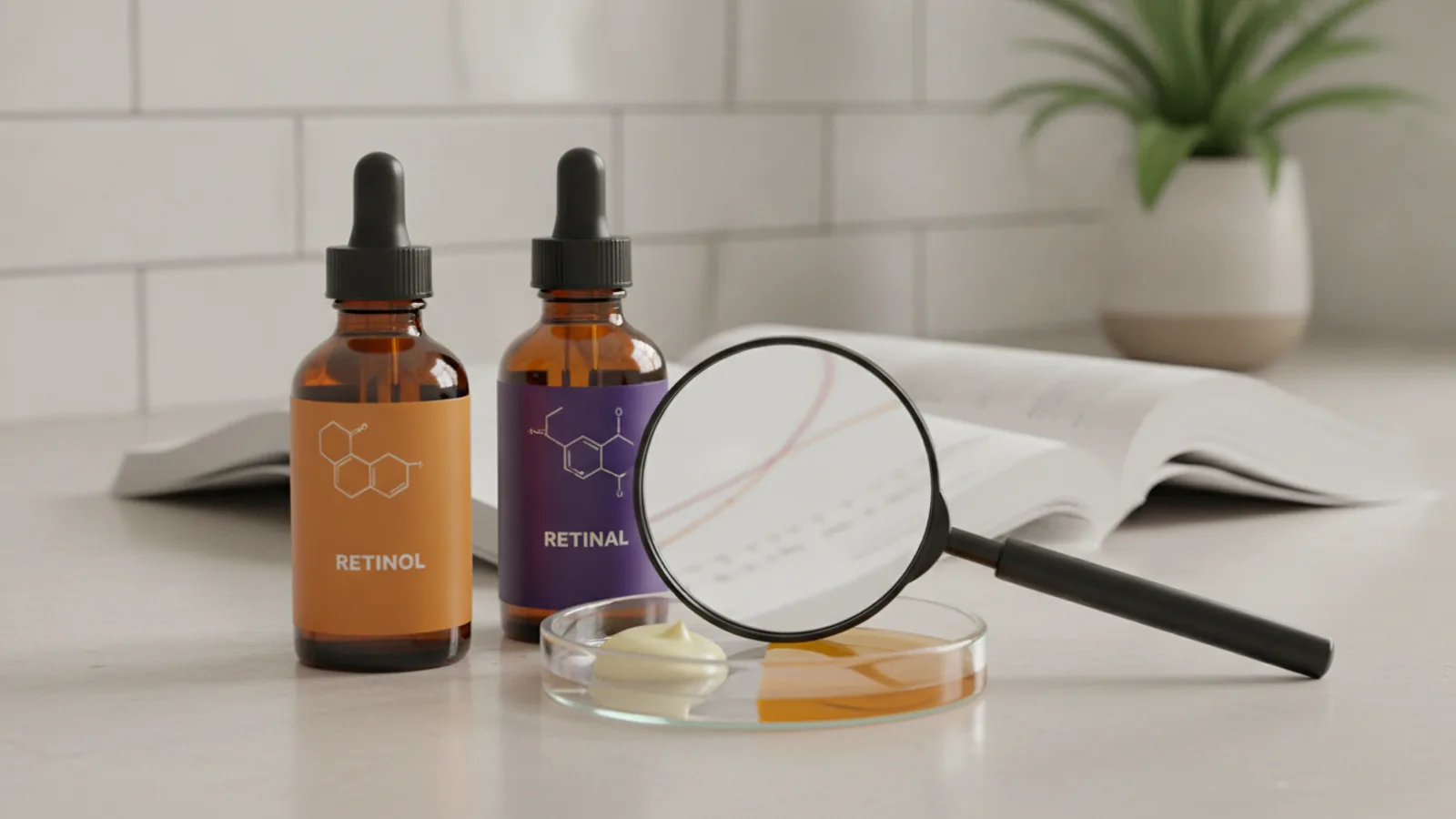
How Often To Use Retinol
A practical step-by-step guide to how often to use retinol, including preparation, instructions, common issues, tips, and next steps.
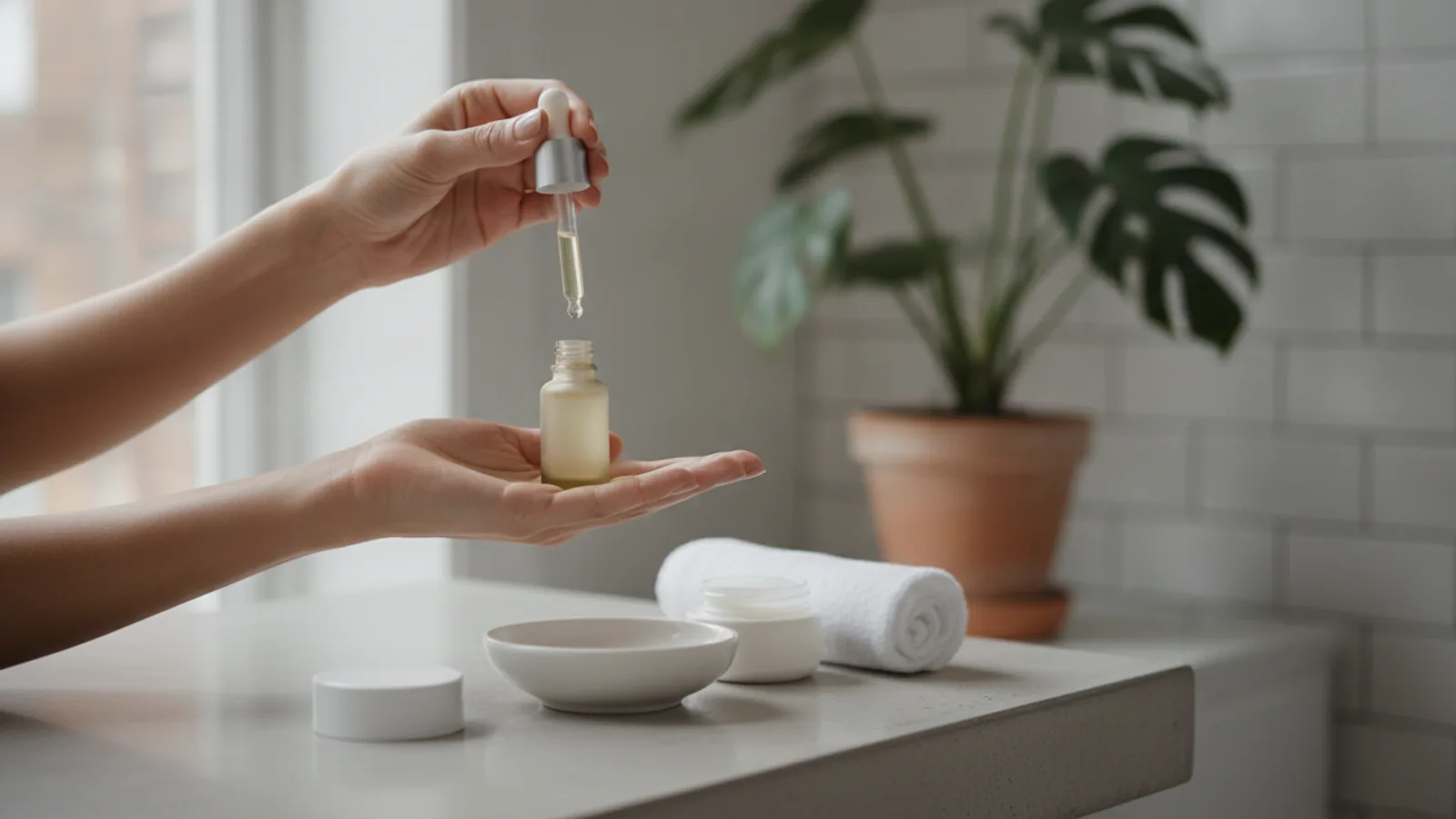
How Often To Use Retinol
This guide explains how to approach how often to use retinol, including the preparation, practical steps, common mistakes, and final checks that help you finish with confidence.
Before You Start
Step-by-Step Instructions
Quick Reference
Common Problems When You Use Retinol Too Often
Using retinol incorrectly, especially too frequently or in too high a concentration for your skin type, can lead to several common issues. Understanding these can help you adjust your routine and avoid discomfort.
How to Fix These Issues:
Advanced Tips for Using Retinol Effectively
Once you've mastered the basics and your skin has built up a good tolerance, you can explore more advanced techniques to maximise your retinol benefits.
How Often To Use Retinol FAQ
Here are answers to some frequently asked questions about retinol usage.
Can I use retinol every night?
While some people can eventually build up to using retinol every night, it's not necessary for everyone and often not recommended, especially when starting out. Many find that 3-4 nights a week is sufficient to see excellent results with minimal irritation. If you do aim for nightly use, it should be a very gradual process over several months, always listening to your skin.
How long does it take for skin to adjust to retinol?
The adjustment period, often called "retinisation," typically takes 2 to 6 weeks. During this time, you might experience some dryness, flaking, or redness. For full benefits to become apparent without significant irritation, consistent use over 3 to 6 months is usually needed. Patience is key.
What happens if I use retinol too often?
Using retinol too often can lead to a compromised skin barrier, resulting in excessive dryness, flaking, redness, stinging, increased sensitivity, and even breakouts. These signs indicate irritation and that you need to reduce your frequency or take a break to allow your skin to recover.
Do I need to stop using retinol if my skin is peeling?
Mild peeling and flaking are common during the initial adjustment phase to retinol, particularly with stronger formulations. However, if the peeling is excessive, uncomfortable, or accompanied by redness and stinging, it's a sign of irritation. In this case, you should reduce your retinol frequency or take a short break until your skin recovers. Once settled, reintroduce it more slowly.
Can I use retinol with Vitamin C?
It's generally recommended to avoid using retinol and strong forms of Vitamin C (like L-Ascorbic Acid) at the exact same time, as they work best at different pH levels and can potentially cause irritation when combined. A common approach is to use Vitamin C in the morning and retinol at night. If you use a very stable, gentle form of Vitamin C and have tolerant skin, some people might layer them cautiously, but for most, separating them is safer.
Final Checklist for Using Retinol
By following these guidelines and consistently checking in with your skin's needs, you can successfully integrate retinol into your routine and achieve healthier, clearer, and more youthful-looking skin.