How Often Should You Apply Sunscreen
A practical step-by-step guide to how often should you apply sunscreen, including preparation, instructions, common issues, tips, and next steps.
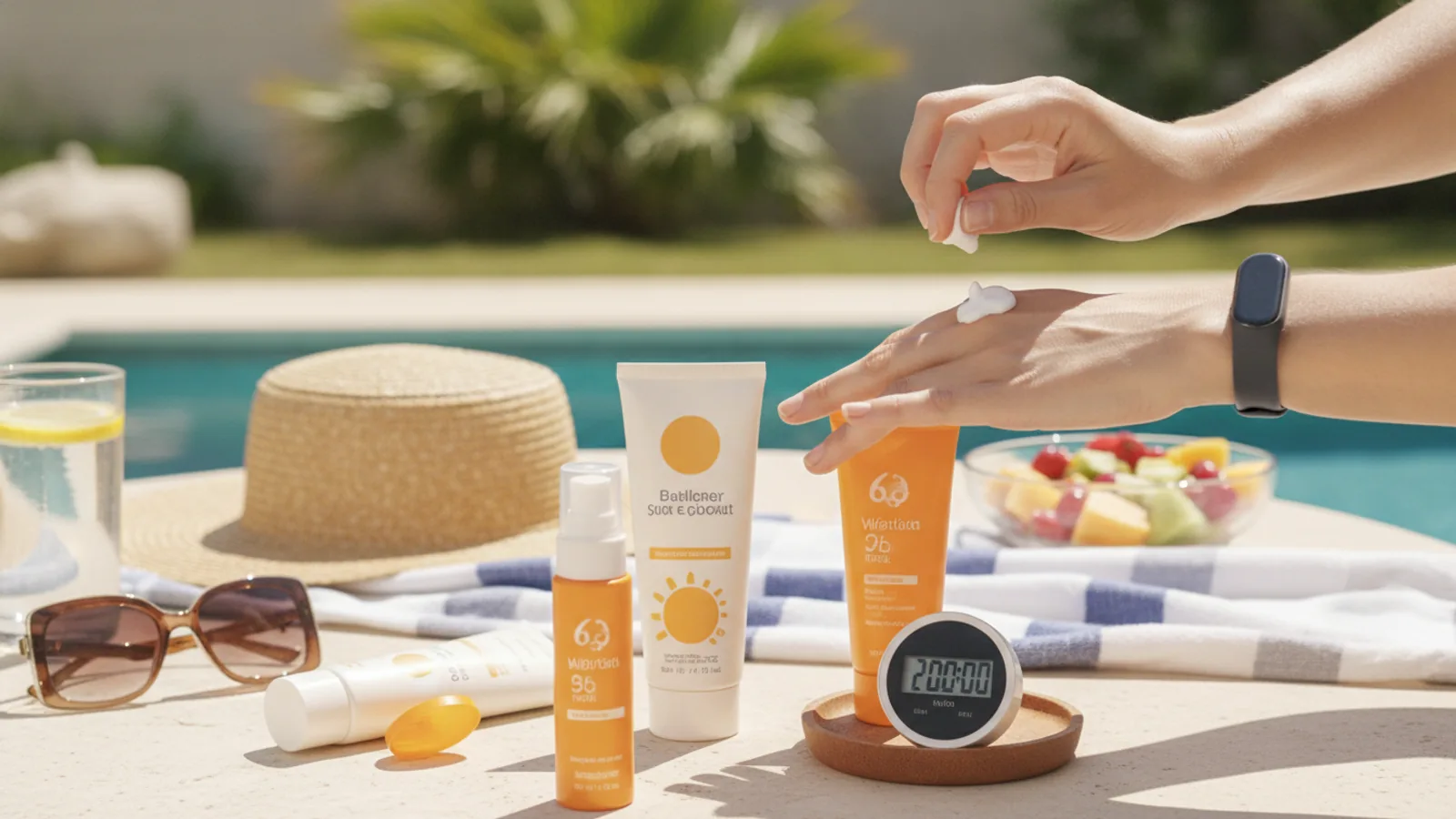
How Often Should You Apply Sunscreen
This guide explains how to approach how often should you apply sunscreen, including the preparation, practical steps, common mistakes, and final checks that help you finish with confidence.
Before You Start
Step-by-Step Instructions
Quick Reference
Common Problems When You Apply Sunscreen
Even with the best intentions, you might run into common issues when trying to stick to a regular sunscreen reapplication schedule. Knowing these problems and their simple fixes can help you stay protected effectively.
- Forgetting to Reapply: This is perhaps the most common issue. Life gets busy, and it's easy to lose track of time.
- Not Applying Enough Sunscreen: Many people use less sunscreen than required, which significantly lowers the actual SPF protection they receive.
- Missing Spots: It's easy to forget areas like the ears, back of the neck, eyelids, lips, or the tops of your feet and hands. These areas are just as vulnerable to sun damage.
- Sunscreen Feels Greasy or Heavy: Some formulations can feel unpleasant on the skin, leading people to skip reapplication or avoid using it altogether.
- Expired Sunscreen: Using sunscreen past its expiration date can give a false sense of security, as its active ingredients may no longer be effective.
- Sunscreen Stings Eyes: Some chemical sunscreens can migrate and irritate the eyes, causing discomfort.
Advanced Tips for How Often Should You Apply Sunscreen
Beyond the basic guidelines, these advanced tips can help you optimise your sun protection strategy, ensuring you're doing everything you can to shield your skin effectively.
- Layer Your Protection: Sunscreen is just one part of a comprehensive sun protection strategy. Combine it with other methods for maximum defence. Wear UPF (Ultraviolet Protection Factor) clothing, which is specifically designed to block UV rays. Seek shade whenever possible, especially during peak sun hours (typically 10 AM to 4 PM). Wear a wide-brimmed hat that shades your face, neck, and ears, and use UV-blocking sunglasses to protect your eyes.
- Understanding SPF Beyond 30: While SPF 30 is generally recommended as the minimum, higher SPFs like 50 or 100 offer only slightly greater protection. SPF 30 blocks about 97% of UVB rays, SPF 50 blocks about 98%, and SPF 100 blocks about 99%. The difference is minimal. The key is that higher SPF values might encourage a false sense of security, leading people to reapply less often. Stick to SPF 30-50 and focus more on consistent reapplication and generous amounts.
- Mineral vs. Chemical Sunscreens:
- Don't Rely Solely on "Water-Resistant" Claims: The term "water-resistant" on sunscreen labels has strict definitions. It means the SPF level remains effective for either 40 or 80 minutes while swimming or sweating, after which it must be reapplied. There's no such thing as "waterproof" sunscreen. Always check the duration stated on the label and reapply immediately after towel drying, regardless of the water-resistant claim.
- Consider Antioxidants: While not a replacement for sunscreen, applying a serum containing antioxidants (like Vitamin C or E) under your sunscreen can offer an additional layer of protection. Antioxidants help to neutralise free radicals generated by UV exposure, which can cause cellular damage. Think of it as enhancing your skin's internal defence system against environmental stressors.
- Store Sunscreen Properly: Heat can degrade sunscreen's effectiveness. Avoid leaving your sunscreen in direct sunlight, in a hot car, or in very warm environments. Store it in a cool, dry place to maintain its stability and efficacy throughout its shelf life.
How Often Should You Apply Sunscreen FAQ
Here are answers to some frequently asked questions about how often you should apply sunscreen to keep your skin protected.
- Q: Does makeup with SPF provide enough protection?
- Q: Do I need to apply sunscreen on a cloudy day?
- Q: What about sitting indoors by a window? Do I need to reapply then?
- Q: Can sunscreen expire, and what happens if I use expired sunscreen?
- Q: How much sunscreen should I use for just my face and neck?
- Q: Should I reapply sunscreen if I'm only out for a short time, like 30 minutes?
Final Checklist for How Often Should You Apply Sunscreen
Use this checklist to ensure you're consistently protected from the sun's harmful rays:
- ✓ My chosen sunscreen is broad-spectrum and has an SPF of 30 or higher.
- ✓ I have checked that my sunscreen is not expired.
- ✓ I applied my initial layer of sunscreen generously 15-30 minutes before going into the sun.
- ✓ I am reapplying sunscreen at least every two hours during sun exposure.
- ✓ I am reapplying sunscreen immediately after swimming or heavy sweating, and after towel drying.
- ✓ I am covering all exposed skin, including commonly missed areas like ears, neck, and feet.
- ✓ I am considering environmental factors like a high UV index, altitude, or reflective surfaces, and adjusting my reapplication frequency if needed.
- ✓ I am using additional sun protection methods such as seeking shade, wearing UPF clothing, a wide-brimmed hat, and sunglasses.
- ✓ I am storing my sunscreen in a cool, dry place to maintain its effectiveness.
- ✓ I have a plan for reapplying sunscreen even when wearing makeup or having incidental sun exposure.
FAQ
What should I check before I start?
Check the goal, the key prerequisite, and any current instructions that could change the safest next step for how often should you apply sunscreen.
How can I tell whether the result is working?
Use the practical checks in the guide, pause if a required step is unclear, and verify the finished result against the intended outcome.