How Often Should One Exfoliate Face
A practical step-by-step guide to how often should one exfoliate face, including preparation, instructions, common issues, tips, and next steps.
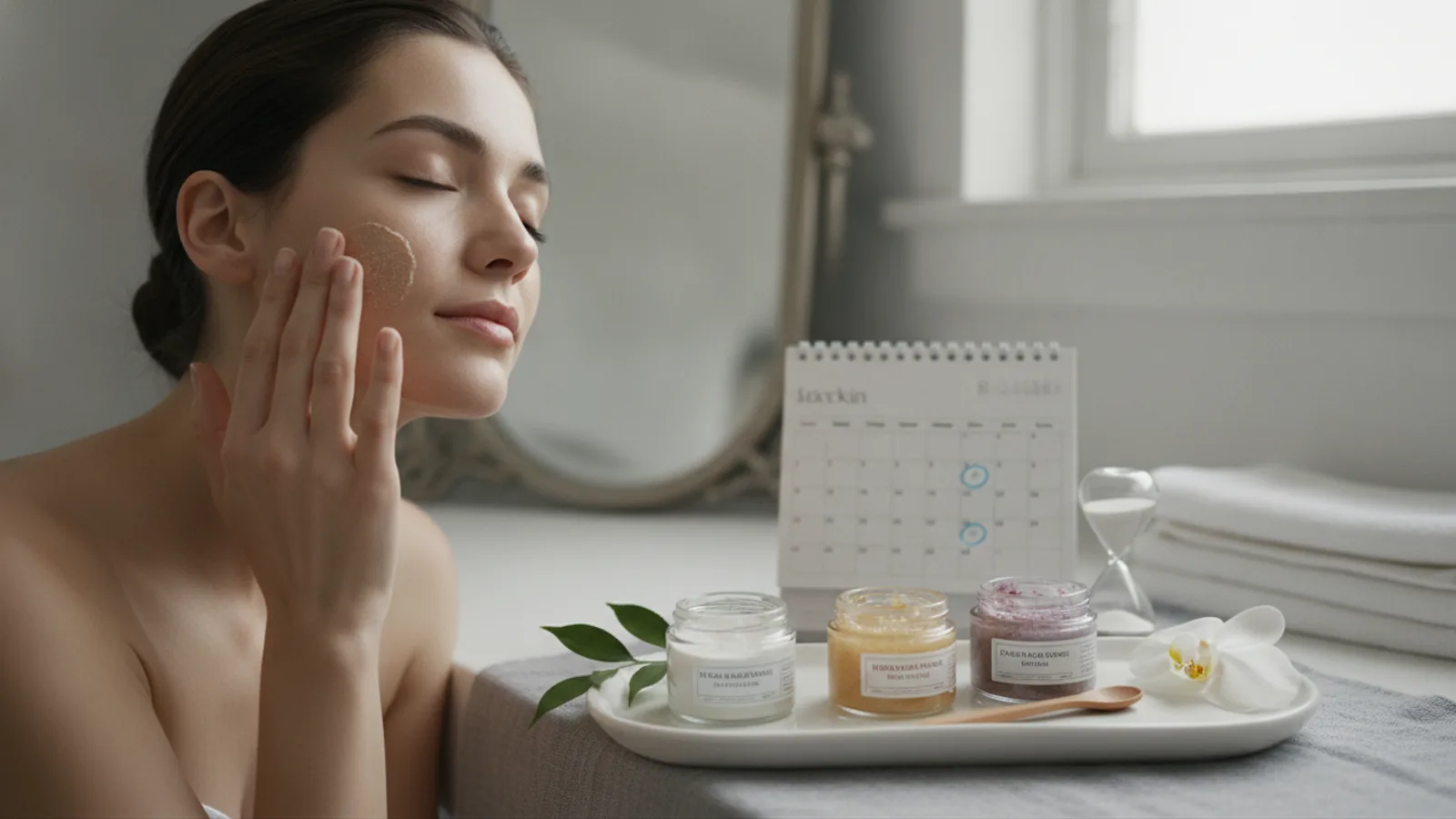
How Often Should One Exfoliate Face
This guide explains how to approach how often should one exfoliate face, including the preparation, practical steps, common mistakes, and final checks that help you finish with confidence.
Before You Start
Before you begin exfoliating, it's essential to understand the basic tools and checks needed to ensure a safe and beneficial experience for your skin. Getting these right from the start prevents irritation and helps you get the most out of your routine.
Step-by-Step Instructions
Understanding how often you should exfoliate your face starts with a structured approach. Follow these steps to ensure you're exfoliating effectively and safely, tailoring the process to your unique skin needs.
Quick Reference
Common Problems When You Exfoliate Your Face
Even with the best intentions, you might run into some issues when trying to figure out how often you should exfoliate your face. Understanding these common problems and their solutions can help you quickly get back on track to healthier skin.
Redness, Irritation, or Stinging
Problem: Your skin becomes red, feels tight, stings, or looks inflamed after exfoliating. This is the most common sign of over-exfoliation or using a product that's too harsh for your skin.
Solution: Immediately stop exfoliating for several days, or even a week, to allow your skin barrier to heal. During this time, focus on a very simple routine: a gentle cleanser, a nourishing, fragrance-free moisturiser, and daily SPF. When you reintroduce exfoliation, use a milder product or exfoliate much less frequently (e.g., once a week instead of twice). Ensure you're not using other strong active ingredients at the same time.
Increased Dryness or Flakiness
Problem: Your skin feels drier than usual, or you notice new areas of flakiness, especially on your cheeks or around your mouth. This can also be a symptom of over-exfoliation, as excessive removal of dead skin cells can disrupt your skin's natural moisture barrier.
Solution: Reduce the frequency of exfoliation and ensure you're applying a rich, hydrating moisturiser immediately after exfoliating and throughout the day. Consider using a moisturiser with ingredients like ceramides or hyaluronic acid to help repair and hydrate your skin barrier. Also, double-check your cleanser to ensure it's not stripping your skin further.
New Breakouts or "Purging"
Problem: After starting exfoliation, you notice a sudden increase in breakouts. Sometimes this is "purging," where the exfoliant brings underlying congestion to the surface. However, too many new breakouts could mean irritation or that the product isn't right for you.
Solution: If you're using a chemical exfoliant (especially BHAs), a mild increase in breakouts for the first 2-4 weeks can be normal "purging" as the product clears pores. Continue with the routine but monitor closely. If breakouts are severe, painful, or persist beyond a month, it might be irritation. In this case, reduce frequency or switch to a gentler exfoliant. Ensure you're not touching your face too much, which can spread bacteria.
No Visible Results or Dullness
Problem: You've been exfoliating for a while, but your skin still looks dull, rough, or you don't see any improvement in texture or brightness.
Solution: First, ensure you are exfoliating consistently. Sporadic exfoliation won't yield optimal results. If consistency isn't the issue, you might not be exfoliating often enough for your skin type, or the product you're using might be too mild. Consider increasing the frequency slightly (e.g., from once to twice a week) or trying a slightly stronger, but still appropriate, exfoliant. Make sure you're also using SPF daily, as sun damage can counteract the brightening effects of exfoliation.
Advanced Tips for Exfoliating Your Face
Once you've mastered the basics of how often you should exfoliate your face and found a comfortable routine, you might be ready to explore some advanced techniques and considerations. These tips can help you optimise your results and address specific skin concerns with greater precision.
Alternate Exfoliants and Active Ingredients
Instead of sticking to just one type of exfoliant, consider alternating between different types of chemical exfoliants (like AHA and BHA) on different days. For example, you might use an AHA one night for surface brightening and a BHA on another night for pore cleansing. If you use other powerful active ingredients like retinoids (Vitamin A derivatives), schedule your exfoliation on separate nights. For instance, exfoliate on Monday and Wednesday, and use your retinoid on Tuesday and Thursday. This prevents overwhelming your skin and reduces the risk of irritation, allowing each active to work effectively without interference.
Consider Leave-On vs. Rinse-Off Formulas
Many chemical exfoliants come in leave-on formulas (like toners or serums), while others are designed to be rinsed off after a short period (like some masks). Leave-on products generally provide a more continuous and often stronger exfoliation, as the active ingredients remain on your skin for longer. Rinse-off formulas can be a good starting point for sensitive skin or for those who want a milder effect. Pay close attention to the product's instructions for optimal use and to avoid over-exfoliation.
Don't Forget About Enzyme Exfoliants
While AHAs and BHAs are popular, enzyme exfoliants offer a very gentle alternative, especially for highly sensitive skin or those who find acids too strong. Enzymes, often derived from fruits like papaya or pineapple, work by gently breaking down the protein bonds that hold dead skin cells together, allowing them to shed without harsh abrasion or strong acid action. They are typically milder than chemical acids and can be a great way to introduce exfoliation into a delicate routine or for weekly maintenance.
Layering Products for Maximum Efficacy (with caution)
For some, strategically layering certain products can enhance exfoliation benefits. For example, using a hydrating serum (like one with hyaluronic acid) after exfoliation can deeply replenish moisture. However, be extremely cautious about layering multiple active ingredients directly on top of an exfoliant, especially if you have sensitive skin. Always introduce one new product at a time and observe your skin's reaction. If in doubt, consult with a skincare professional before combining strong actives.
Extend Exfoliation to Other Body Parts
The skin on your body also benefits from regular exfoliation. Just like your face, dead skin cells can accumulate on your arms, legs, and back, leading to rough patches, dullness, or even body breakouts. You can use body scrubs or body washes with chemical exfoliants (like salicylic acid) to address these concerns. The frequency might be similar to your face, 1-3 times a week, but always adjust based on the skin's thickness and sensitivity in that specific area. Remember to moisturise well afterwards.
How Often Should One Exfoliate Face FAQ
Can I exfoliate every day?
For most people, exfoliating every day is not recommended. Daily exfoliation, especially with physical scrubs or strong chemical exfoliants, can easily lead to over-exfoliation. This damages your skin's protective barrier, causing redness, irritation, dryness, increased sensitivity, and potentially even breakouts. Your skin needs time to regenerate and heal between exfoliation sessions.
Only very few individuals with extremely resilient or oily skin might tolerate daily use of a very mild, low-concentration chemical exfoliant, but it's crucial to start slowly and listen to your skin's signals. For the vast majority, 1-3 times per week is the ideal frequency.
What's the difference between physical and chemical exfoliation?
Physical exfoliation involves manually removing dead skin cells using abrasive materials or tools. This includes face scrubs with grains (like sugar, salt, or jojoba beads), cleansing brushes, or even washcloths. These methods physically buff away the top layer of dead skin cells.
Chemical exfoliation uses acids or enzymes to dissolve the bonds between dead skin cells, allowing them to shed naturally without scrubbing. Common types include Alpha Hydroxy Acids (AHAs like glycolic or lactic acid) which work on the skin's surface, and Beta Hydroxy Acids (BHAs like salicylic acid) which penetrate oil and can work inside pores. Polyhydroxy Acids (PHAs) are a newer, gentler option. Chemical exfoliants tend to provide more even exfoliation and are often preferred by dermatologists as they are less likely to cause micro-tears than harsh scrubs.
Should I exfoliate in the morning or evening?
Most experts recommend exfoliating in the evening. There are a few reasons for this. Firstly, exfoliating makes your skin more sensitive to the sun, so doing it at night means you're not immediately exposed to UV rays. You'll still need to apply SPF the following morning, but it reduces immediate sensitivity. Secondly, your skin does a lot of its repair and regeneration overnight, so exfoliating before bed can complement this natural process. It also allows your skin to recover and absorb nourishing products more effectively while you sleep.
What if I have very sensitive skin?
If you have sensitive skin, you need to be extra cautious with exfoliation. Start with a very gentle approach. Opt for mild chemical exfoliants like PHAs (polyhydroxy acids) or low-concentration lactic acid, as these tend to be less irritating than physical scrubs or stronger AHAs. Avoid physical scrubs entirely, as their abrasive nature can easily trigger redness and irritation on sensitive skin.
Begin by exfoliating just once a week or even once every 10 days. Always do a patch test first. Pay close attention to how your skin feels and looks. If you experience any stinging, redness, or discomfort, reduce the frequency or switch to an even milder product. Always follow up with a calming, fragrance-free moisturiser.
Can teenagers exfoliate?
Yes, teenagers can exfoliate, and it can be beneficial, especially for those dealing with acne or oily skin. However, it's crucial to approach it with caution and use very gentle methods. Hormonal changes during teenage years often lead to increased oil production and breakouts, making exfoliation a useful tool for preventing clogged pores and managing skin texture.
For teenagers, a mild BHA (like salicylic acid) can be particularly effective for acne-prone skin, as it helps clear pores. Start with a low concentration and a frequency of once a week. Avoid harsh physical scrubs, which can irritate developing skin and worsen breakouts. Supervision by a parent or advice from a dermatologist is recommended to ensure they choose appropriate products and don't over-exfoliate.
Does exfoliating help with acne?
Yes, exfoliation can be very helpful in managing and preventing certain types of acne, particularly blackheads, whiteheads, and mild inflammatory breakouts. By removing dead skin cells and excess oil from the surface, exfoliation helps to keep pores clear. When pores become clogged with dead skin cells and sebum, it creates an ideal environment for acne-causing bacteria to thrive.
For acne, chemical exfoliants, especially BHAs (like salicylic acid), are often recommended because they are oil-soluble and can penetrate into the pores to break down blockages. Regular, but not excessive, exfoliation can reduce the frequency and severity of breakouts, leading to clearer skin. However, for severe or cystic acne, exfoliation should be part of a broader treatment plan and preferably guided by a dermatologist.
Final Checklist for How Often Should One Exfoliate Face
To ensure you're exfoliating safely and effectively, use this final checklist. It summarises the key takeaways for incorporating exfoliation into your skincare routine.