How Much Sunscreen To Use On Face
A practical step-by-step guide to how much sunscreen to use on face, including preparation, instructions, common issues, tips, and next steps.
How Much Sunscreen To Use On Face
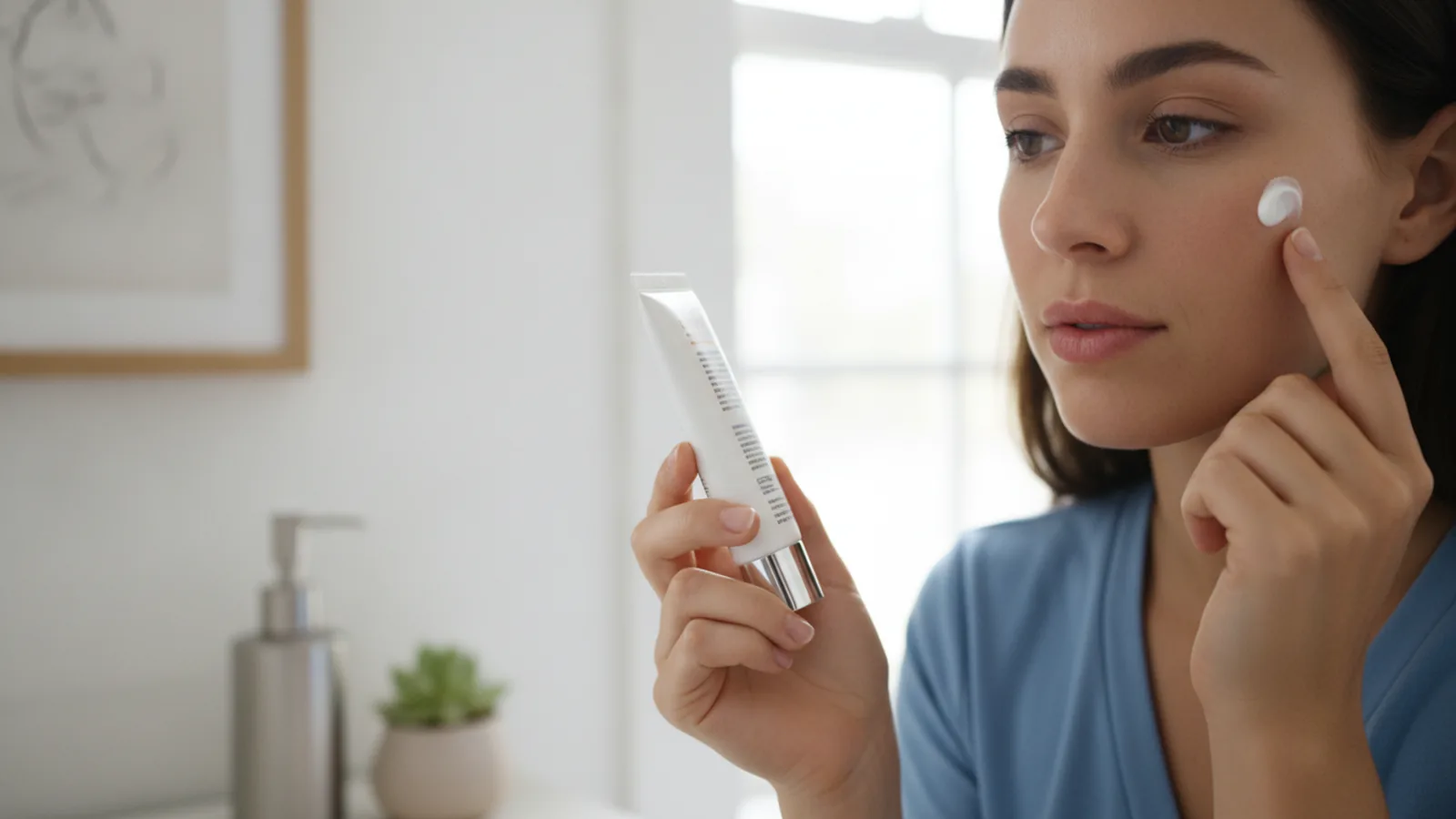
This guide explains how to approach how much sunscreen to use on face, including the preparation, practical steps, common mistakes, and final checks that help you finish with confidence.
Before You Start
Step-by-Step Instructions
Quick Reference
Common Problems When You How Much Sunscreen To Use On Face
Problem: Not Using Enough Sunscreen
Description: This is the most common issue. People often apply a much thinner layer than recommended, thinking a little goes a long way. However, applying too little means you're not getting the SPF protection stated on the bottle. For example, applying half the recommended amount of SPF 30 sunscreen might only give you SPF 10 protection.
Solution: Consciously measure your sunscreen. Use the quarter teaspoon rule or the two-finger method consistently until it becomes second nature. It might feel like a lot at first, but it's essential for proper protection. If your sunscreen feels too heavy, try a lighter formula or apply in two thinner layers, allowing each to absorb slightly before the next.
Problem: White Cast (Especially with Mineral Sunscreens)
Description: Mineral sunscreens (containing zinc oxide or titanium dioxide) are known for leaving a white or greyish tint on the skin, especially on darker skin tones. This happens because these ingredients physically block and reflect UV light, but their particles can be visible.
Solution: Look for mineral sunscreens labelled "tinted" or "micronised" (meaning the particles are smaller and less visible). Apply in small sections and blend thoroughly. Warm the sunscreen between your fingers before application. For a subtle effect, you can mix a tiny bit of your regular foundation or a bronzing serum with your mineral sunscreen before applying, ensuring not to dilute the SPF too much.
Problem: Pilling or Flaking
Description: Sunscreen, especially when combined with other skincare products or makeup, can sometimes ball up and flake off your skin in tiny rolls. This is known as "pilling" and indicates the products aren't mixing well or aren't absorbing properly.
Solution: Ensure you're allowing enough time for each skincare product (serums, moisturisers) to fully absorb before applying sunscreen, typically 5-10 minutes. Try a different sunscreen formula; some are more prone to pilling than others. Apply sunscreen by gently pressing and patting it into the skin rather than rubbing vigorously. If you apply makeup, wait for the sunscreen to be completely dry to the touch.
Problem: Sunscreen Feels Heavy or Greasy
Description: Some sunscreens, particularly those designed for intense sun exposure or very dry skin, can feel thick, greasy, or occlusive on the face, leading to discomfort or a shiny appearance.
Solution: Explore sunscreens specifically formulated for facial use, which are often lighter-weight and designed for everyday comfort. Look for labels like "fluid," "gel," "lotion," "mattifying," or "dry-touch." Chemical sunscreens tend to feel lighter than mineral ones. If your skin is oily, an oil-free or gel-based formula can make a big difference.
Problem: Breakouts or Clogged Pores
Description: For those with acne-prone or sensitive skin, certain sunscreens can exacerbate breakouts or lead to clogged pores.
Solution: Choose sunscreens explicitly labelled "non-comedogenic" (meaning they are formulated not to clog pores) and "oil-free." Mineral sunscreens (zinc oxide, titanium dioxide) are often better tolerated by acne-prone skin as they are less likely to irritate. Always cleanse your face thoroughly at the end of the day to remove all traces of sunscreen and makeup.
Advanced Tips for How Much Sunscreen To Use On Face
Layering for Enhanced Protection
While one generous application of SPF 30+ sunscreen is sufficient, some people opt for a layered approach, particularly for prolonged sun exposure or very fair skin. This involves using skincare products that also contain SPF, such as a moisturiser with SPF, followed by a dedicated facial sunscreen.
How to do it: Apply your SPF moisturiser first, ensuring full coverage, then follow with your standard amount of facial sunscreen (quarter teaspoon) once the moisturiser has absorbed. This method offers a bit of a "belt and braces" approach, though it's important to remember that the SPF values don't add up directly (e.g., SPF 15 + SPF 30 does not equal SPF 45). The highest SPF applied in the correct quantity is generally the one you're getting, but the layering provides an extra safety net against missed spots or uneven application.
Integrating Sunscreen with Antioxidants
For an advanced defence strategy against environmental damage, combine your sunscreen with a potent antioxidant serum. Antioxidants (like Vitamin C, Vitamin E, ferulic acid) help to neutralise free radicals generated by UV radiation and pollution, which can still occur even with excellent sunscreen use.
How to do it: Apply your antioxidant serum to clean, dry skin after cleansing. Allow it to fully absorb (usually a minute or two). Then, follow with your moisturiser (if using) and finally, apply your quarter teaspoon of broad-spectrum SPF 30+ sunscreen. This combination offers a comprehensive shield against both UV damage and environmental stressors.
The "Two-Layer" Method for Even Coverage
If you struggle with applying the full quarter teaspoon of sunscreen in one go, or find it feels too heavy, try applying it in two thinner layers. This can help achieve better coverage and a more comfortable feel, especially with thicker formulas.
How to do it: Dispense about half of your quarter teaspoon amount onto your fingers. Apply this first thin layer evenly across your face, blending it in well. Wait a few minutes for it to mostly absorb, then apply the remaining half of the quarter teaspoon in a second thin layer. This ensures you're still getting the full amount needed for optimal protection, but in a more manageable way.
Consider Sunscreen-Friendly Makeup
If you wear makeup daily, select products that complement your sunscreen rather than hindering its effectiveness. Look for foundations, BB creams, or powders that are labelled "non-comedogenic" and designed to layer well.
How to do it: After your sunscreen has fully set (15-20 minutes), apply your makeup gently. Avoid vigorous rubbing motions that could disrupt the sunscreen film. For touch-ups or reapplication over makeup, consider using a sunscreen mist (spraying liberally and then gently patting in) or a sheer sunscreen powder, though these should not be solely relied upon for initial protection.
Sun Protection Factor (SPF) Beyond the Face
While this guide focuses on how much sunscreen to use on face, remember that all exposed skin needs protection. The general rule for the entire body is about seven teaspoons of sunscreen (a shot glass full) to cover exposed skin adequately. Extend your facial sunscreen down to your neck and décolletage, and apply a separate body sunscreen to arms, hands, legs, and any other areas not covered by clothing.
How to do it: Integrate full-body sunscreen application into your routine when getting dressed, especially if you're wearing open-necked tops, shorts, or dresses. Pay particular attention to hands, which show signs of ageing early.
How Much Sunscreen To Use On Face FAQ
Q: Can I just use my SPF moisturiser instead of a dedicated sunscreen?
A: While SPF moisturisers offer some protection, they often don't provide the same level of protection as dedicated sunscreens. Most people don't apply enough SPF moisturiser to reach the stated SPF value, as it would feel too heavy. For reliable daily protection, it's best to use a separate, dedicated sunscreen with at least SPF 30 after your regular moisturiser. Your moisturiser with SPF can act as an extra layer of defence.
Q: Does applying more sunscreen mean a higher SPF?
A: No, not necessarily. Applying more sunscreen than the recommended quarter teaspoon for your face won't significantly increase the SPF beyond what's stated on the bottle. However, applying *less* than the recommended amount will definitely *reduce* the effective SPF. So, while you won't get SPF 60 from two layers of SPF 30, you ensure you get the full SPF 30 protection by applying enough.
Q: How often should I reapply sunscreen if I'm indoors all day?
A: If you are completely indoors, away from windows, and not sweating, a single morning application might suffice. However, if you are near windows (even on cloudy days, UV rays can penetrate glass), or if you anticipate going outdoors, it's still advisable to reapply every four to six hours, or every two hours if you step outside. Windows typically block UVB rays but not all UVA rays, which contribute to ageing.
Q: What if my foundation or BB cream has SPF? Is that enough?
A: Similar to SPF moisturisers, foundations or BB creams with SPF typically do not offer adequate protection on their own. To achieve the SPF listed on the label, you'd need to apply a much larger quantity than most people usually wear for makeup. It's always best to use a dedicated broad-spectrum sunscreen with SPF 30 or higher underneath your makeup for full protection.
Q: Does sunscreen expire? How do I check?
A: Yes, sunscreen does expire. Over time, the active ingredients that protect against UV radiation can degrade, making the product less effective. Most sunscreens have an expiry date printed on the tube or bottle. If there's no specific date, look for a symbol that looks like an open jar with a number followed by an "M" (e.g., "12M" means it's good for 12 months after opening). If your sunscreen has separated, changed colour, or smells off, it's best to discard it, regardless of the expiry date.
Q: Can I mix sunscreen with my moisturiser or foundation to make it easier to apply?
A: It's generally not recommended to mix sunscreen with other products, as this can dilute the sunscreen's active ingredients and compromise its effectiveness. It can also prevent the sunscreen from forming an even, protective film on your skin. For optimal protection, apply your moisturiser first, let it absorb, and then apply your sunscreen as a separate, final layer.
Q: What's the difference between mineral and chemical sunscreen?
A: Mineral sunscreens (also known as physical sunscreens) contain active ingredients like zinc oxide and titanium dioxide. They work by creating a physical barrier on the skin that reflects and scatters UV rays. They typically start working immediately upon application and are often preferred for sensitive or acne-prone skin. Chemical sunscreens contain organic compounds that absorb UV radiation, convert it into heat, and release it from the skin. They need about 15-20 minutes to become effective after application. Both types, when broad-spectrum and SPF 30+, offer excellent protection.
Final Checklist for How Much Sunscreen To Use On Face
Chosen broad-spectrum SPF 30+ sunscreen: Have your chosen product ready, ensuring it's suitable for your skin type.
Clean and dry face: Your skin should be prepped, with any other skincare products absorbed.
Correct amount measured: Ensure you've dispensed a quarter teaspoon (or used the two-finger rule) for your face and neck.
Even application: Sunscreen is blended smoothly and uniformly across all facial areas, including ears, hairline, and neck.
Absorption time: Allowed at least 15-20 minutes for sunscreen to set before sun exposure or makeup application.
Reapplication plan: Remember to reapply every two hours when outdoors, or more frequently after swimming/sweating.
Don't forget lips and body: All exposed skin needs protection; use a lip balm with SPF and body sunscreen where necessary.
Check expiry dates: Regularly inspect your sunscreen for its expiry date to ensure full effectiveness.