How Long Is Sunscreen Good For
A practical step-by-step guide to how long is sunscreen good for, including preparation, instructions, common issues, tips, and next steps.
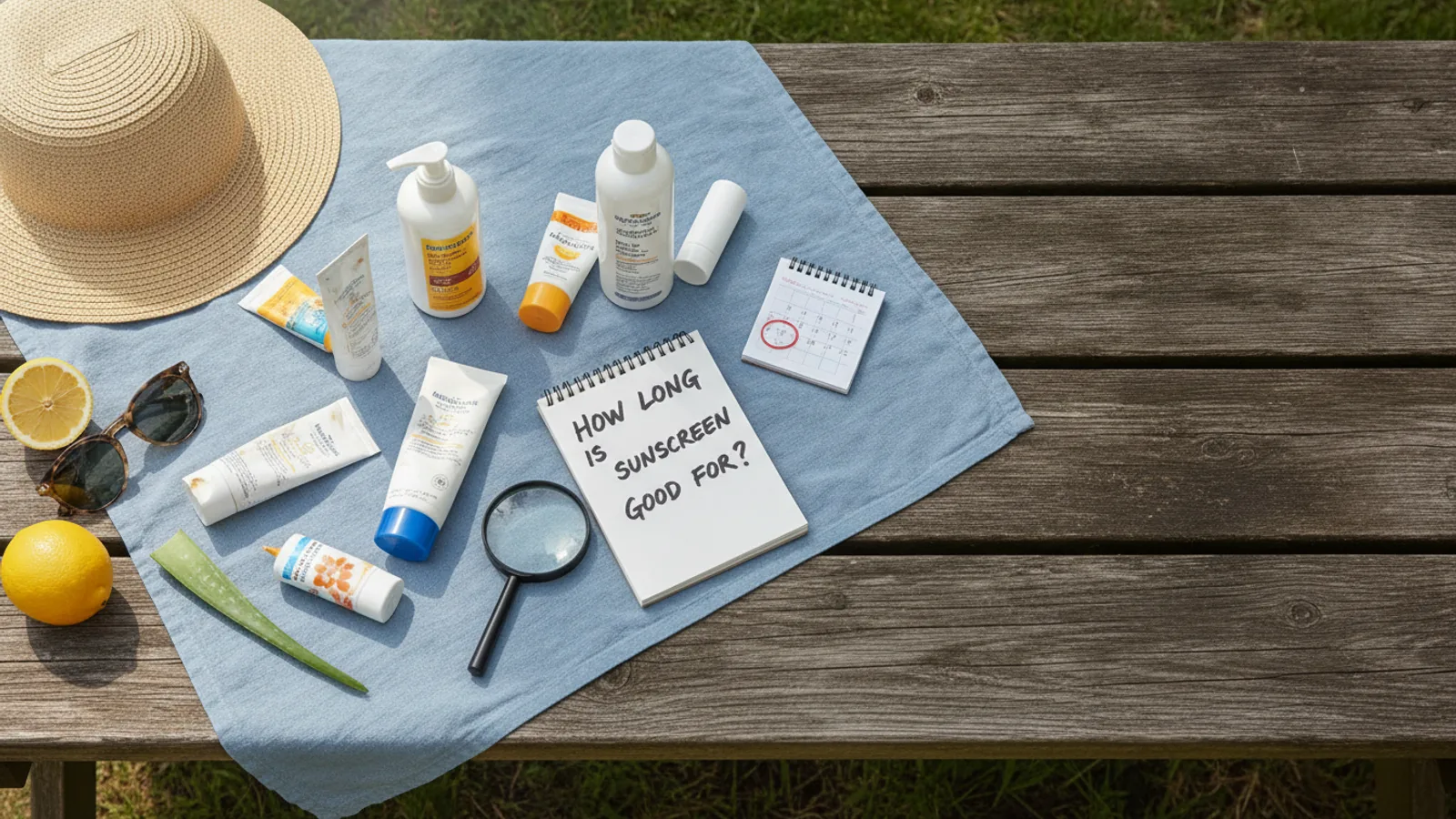
How Long Is Sunscreen Good For
This guide explains how to approach how long is sunscreen good for, including the preparation, practical steps, common mistakes, and final checks that help you finish with confidence.
Before You Start
Step-by-Step Instructions
Quick Reference
Common Problems When You Check How Long Sunscreen Is Good For
Advanced Tips for How Long Is Sunscreen Good For
Mark Opening Dates for PAO Tracking
To ensure you're always using effective sunscreen, get into the habit of clearly marking the date you first open a new bottle, especially if it relies on a Period After Opening (PAO) symbol. Use a permanent marker to write the **month and year** directly on the container. This simple step eliminates guesswork and helps you adhere to the manufacturer's recommended usage period. For example, if a product has a '12M' PAO and you open it in June 2026, you'll know it's good until June 2027.
Store Sunscreen Strategically
Optimising storage conditions can significantly extend your sunscreen's effective life up to its expiry date. Beyond keeping it in a cool, dry place, consider dedicated storage for your sun protection products. For instance, keep your daily facial sunscreen in a drawer away from bathroom steam, and your larger body sunscreens in a cool cupboard. When travelling or spending a day outdoors, use an **insulated bag or a small cooler** for your sunscreen, especially if temperatures are high. Avoid leaving it in direct sunlight on the sand or in a hot car, as this can degrade the active ingredients rapidly, sometimes in just a few hours.
Purchase Mindfully and Rotate Stock
To avoid having large quantities of sunscreen expire, be mindful of your purchasing habits. Buy only what you anticipate using within a year or two, allowing for some buffer before the official expiry date. If you buy in bulk, make sure to check the expiry dates of all items at the time of purchase. When you have multiple bottles, practice **"first-in, first-out" rotation**, meaning you use the oldest sunscreen (with the closest expiry date) first. This systematic approach ensures you're always using the freshest, most effective product available.
Research Product Specifics
While the three-year rule is a general guideline, some highly specialised sunscreens might have different stability profiles. If you use a particular brand or type of sunscreen (e.g., mineral vs. chemical, organic formulations), it can be beneficial to visit the **manufacturer's website** or contact their customer service. They might provide more specific information on the shelf life and optimal storage conditions for their particular products. This extra step can give you peace of mind and ensure you're getting the best possible protection from your chosen sunscreen.
How Long Is Sunscreen Good For FAQ
Can I use sunscreen past its expiry date?
Does unopened sunscreen expire?
How does heat affect how long sunscreen is good for?
What is the PAO symbol on sunscreen?
What should I do if my sunscreen has no expiry date or PAO symbol?
Final Checklist for How Long Is Sunscreen Good For
- **Expiry Date Checked:** Have you looked for an "EXP" date and confirmed it's still valid?
- **PAO Respected:** If no expiry date, have you checked the "Period After Opening" symbol and noted when you first opened the product?
- **Appearance and Smell Checked:** Have you visually inspected for changes in colour, texture, or separation, and confirmed there are no unusual or rancid odours?
- **Storage Conditions Assessed:** Has your sunscreen been stored in a cool, dry place away from direct sunlight and extreme heat?
- **Replacement Decision Made:** Have you decided to replace any sunscreen that is expired, past its PAO, shows signs of degradation, or has been stored incorrectly?
- **New Sunscreen Stocked:** Have you ensured you have an adequate supply of fresh, effective sunscreen for your upcoming sun exposure needs?