How Long Does It Take For Retinol To Work
A practical step-by-step guide to how long does it take for retinol to work, including preparation, instructions, common issues, tips, and next steps.
How Long Does It Take For Retinol To Work
This guide explains how to approach how long does it take for retinol to work, including the preparation, practical steps, common mistakes, and final checks that help you finish with confidence.
Before You Start
Step-by-Step Instructions
Quick Reference
Common Problems When Using Retinol
Redness, Dryness, and Flaking (Retinisation)
This is the most common experience when starting retinol. Your skin is adjusting to the increased cell turnover. It can feel tight, look red, and peel in flaky patches.
Fix: Reduce the frequency of application (e.g., from twice a week to once a week). Ensure your skin is completely dry before applying retinol. Use the "sandwich method" with a good, hydrating moisturiser. Temporarily pause other active ingredients like AHAs or BHAs.
Initial Breakouts (Purging)
Some people experience an increase in breakouts or acne during the first few weeks, particularly if they are prone to acne. This "purging" happens because retinol speeds up cell turnover, bringing existing micro-comedones (tiny clogged pores) to the surface faster.
Fix: This is usually temporary and should clear up within 4-6 weeks. Continue with your retinol routine. Do not pick or squeeze spots. If purging is severe or lasts longer than 6 weeks, consult a dermatologist.
No Visible Results
If you're using retinol consistently for several weeks and see no changes, it can be discouraging. Remember that retinol's work happens beneath the surface first.
Fix: First, ensure you are being consistent and patient. Are you using it enough (but not too much)? Make sure you are using it for at least 3-6 months before expecting significant changes. If you started with a very low concentration, after 3-6 months of consistent, well-tolerated use, you might consider gradually increasing the strength of your retinol product.
Increased Sun Sensitivity
Retinol makes your skin more vulnerable to sun damage, leading to easier sunburn, hyperpigmentation, or general irritation from sun exposure.
Fix: This is not a "fix" but a mandatory prevention. Apply a broad-spectrum sunscreen with SPF 30+ every single morning. Reapply throughout the day if you are outdoors. Wear protective clothing like hats. Never skip sunscreen when using retinol.
Advanced Tips for How Long Does It Take For Retinol To Work
Combine with Niacinamide
Niacinamide (Vitamin B3) is a powerful ingredient that can help calm redness, strengthen the skin barrier, and reduce pore size. It works very well alongside retinol, helping to counteract some of retinol's potential side effects like irritation and dryness. Apply niacinamide in the morning or apply it before your retinol at night to help prepare the skin.
Consider the "Short Contact Therapy" Method
If your skin is extremely sensitive and even the "sandwich method" causes irritation, try short contact therapy. Apply retinol to clean, dry skin, leave it on for 30-60 minutes, then wash it off before applying moisturiser. Over time, you can gradually increase the contact time as your skin builds tolerance.
Understand Different Retinoid Types
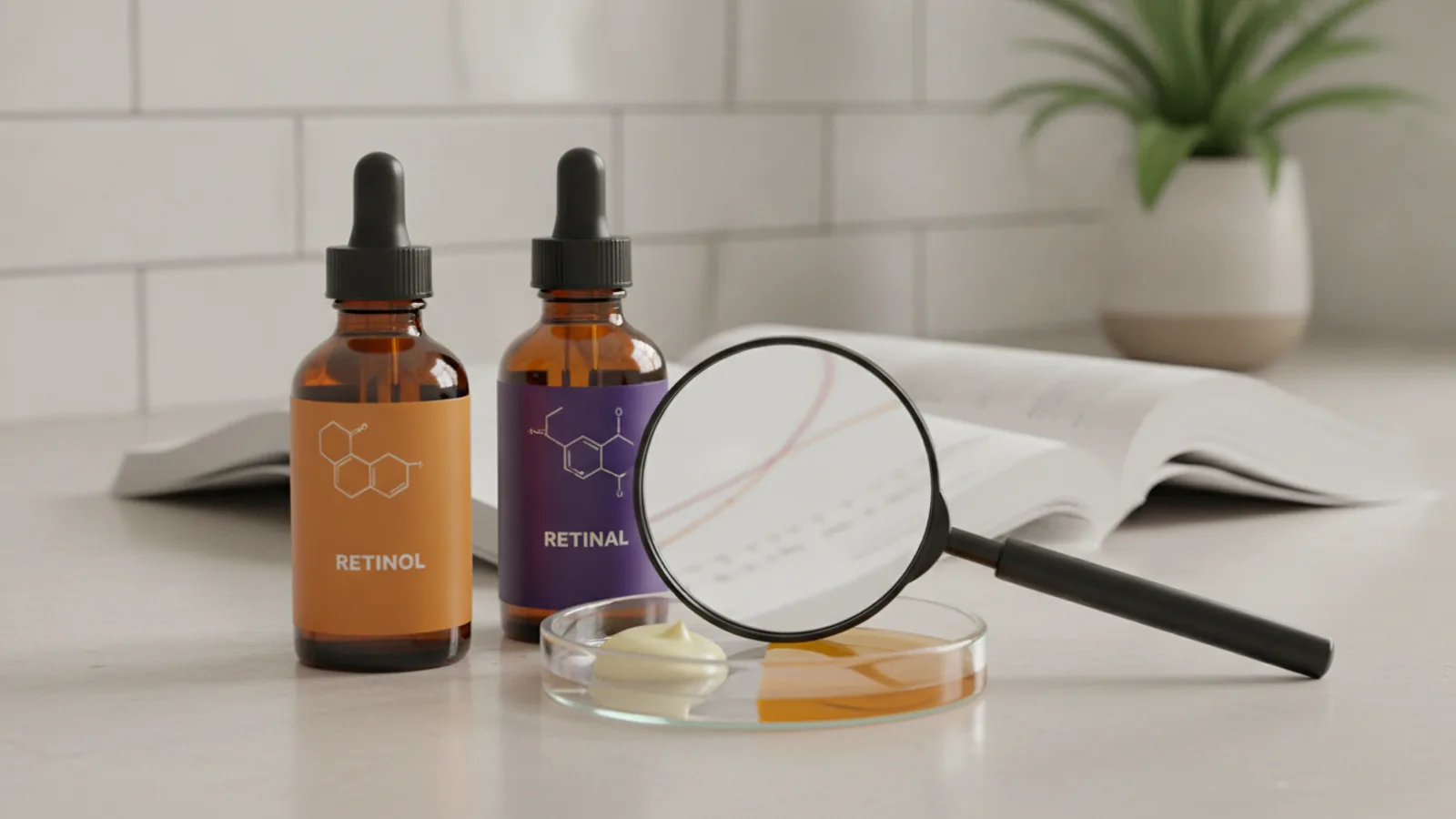
While this guide focuses on retinol, knowing about other retinoids can help you understand your options. Retinaldehyde (retinal) is stronger than retinol but gentler than prescription tretinoin. It converts to retinoic acid more efficiently than retinol. Prescription retinoids like tretinoin are the most potent and require a doctor's consultation. Knowing these differences helps you decide when it might be time to discuss stronger options with a medical professional.
Don't Forget Your Neck and Chest
The neck and chest areas are often overlooked but are just as susceptible to signs of ageing. If your skin on your face tolerates retinol well, you can extend your application to these areas. However, these areas can be more sensitive, so start with an even lower frequency and concentration, and monitor for irritation carefully.
Hydrate From Within
Beyond topical moisturisers, ensure you're drinking enough water throughout the day. Hydration from within contributes to overall skin health and can help your skin better manage the dryness that retinol can sometimes cause.
How Long Does It Take For Retinol To Work FAQ
Can I use retinol every night right away?
No, it's not recommended. Starting with retinol every night can lead to significant irritation, redness, dryness, and flaking. It's best to introduce it slowly, typically 2-3 nights a week, and gradually increase frequency as your skin builds tolerance over several weeks or months.
What should I do if my skin becomes very irritated?
If you experience significant irritation (severe redness, burning, peeling, or discomfort), stop using retinol immediately. Focus on soothing and hydrating your skin with gentle cleansers and rich moisturisers. Once your skin has fully recovered, you can reintroduce retinol at a much lower frequency (e.g., once a week) or switch to an even lower concentration product, or try the "short contact therapy" method.
When should I expect to see results for acne?
For acne, you might notice an initial "purging" phase where breakouts temporarily worsen for 2-6 weeks. After this, improvements in acne and clogged pores typically become noticeable within 8-12 weeks of consistent use. Significant long-term improvements can take 3-6 months or more.
When will I see results for fine lines and wrinkles?
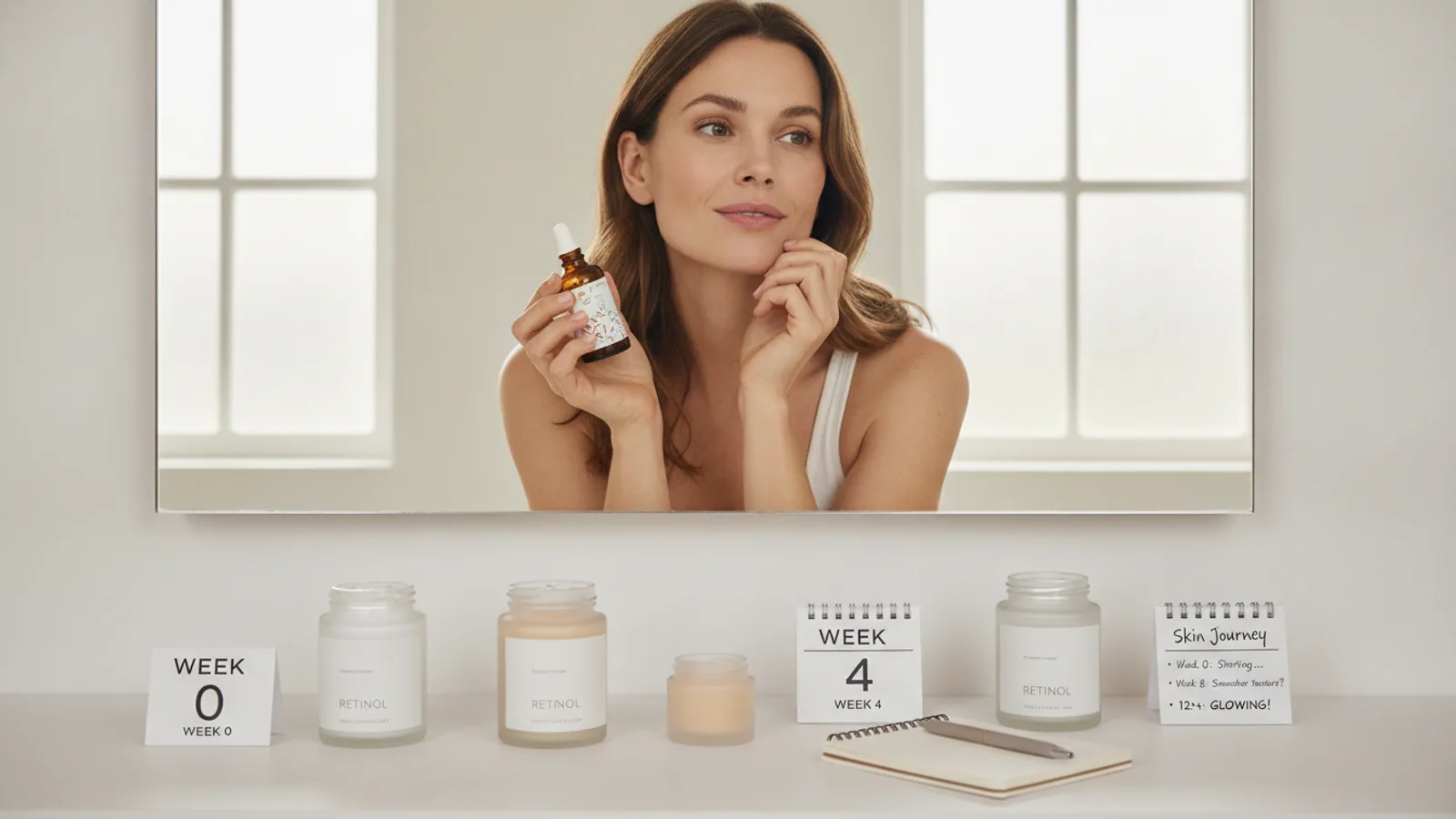
Reducing fine lines and wrinkles takes longer because retinol works to stimulate collagen production and renew skin cells. You might start to see subtle improvements in texture and luminosity within 6-12 weeks. More significant reductions in fine lines usually become apparent after 3-6 months of regular, consistent use, with optimal results often taking up to 12 months.
Do I need to increase retinol strength to see better results?
Not necessarily. Consistency is often more important than high strength, especially for beginners. Many people achieve excellent results with lower concentrations used regularly over time. Only consider increasing strength after your skin has fully adapted to your current product and you've been using it consistently for at least 3-6 months, and you still feel you need more. Always increase strength slowly.