How Do You Use Retinol
A practical step-by-step guide to how do you use retinol, including preparation, instructions, common issues, tips, and next steps.
How Do You Use Retinol
This guide explains how to approach how do you use retinol, including the preparation, practical steps, common mistakes, and final checks that help you finish with confidence.
Before You Start
Before you begin your retinol journey, it's essential to understand what you'll need and what precautions to take. Retinol is a potent ingredient, and preparing your skin and routine correctly will prevent unnecessary irritation and help you get the most out of its benefits.
What You Need
Safety, Timing, or Context Checks
Step-by-Step Instructions
Quick Reference
Common Problems When You Use Retinol
Even with careful introduction, some people experience side effects when using retinol. These are often referred to as the "retinol uglies" and typically indicate your skin is adjusting. Understanding these issues and knowing how to address them can help you continue your routine successfully.
Dryness, Flaking, and Peeling
This is one of the most common initial side effects. Retinol speeds up cell turnover, which can lead to shedding of older skin cells, causing dryness and flaking. Your skin might feel tight or look visibly flaky, especially around the mouth and nose.
- Solution:
- Reduce Frequency: Go back to applying retinol fewer times a week (e.g., once or twice).
- "Sandwich" Method: Apply a thin layer of moisturiser, then your retinol, then another layer of moisturiser. This can dilute the retinol's direct impact.
- Increase Hydration: Use a richer, more occlusive moisturiser, especially one with ceramides or hyaluronic acid, to bolster your skin's barrier.
- Take a Break: If dryness is severe, stop using retinol for a few days to a week until your skin recovers, then reintroduce it even more slowly.
Redness and Irritation
Your skin might appear pink or red, feel itchy, or develop a mild burning sensation. This usually indicates that the retinol is too strong for your skin's current tolerance or you're using it too often.
- Solution:
- Lower Concentration: Consider switching to a retinol product with a lower percentage.
- Reduce Frequency: Again, fewer applications per week will give your skin more time to rest and adapt.
- Avoid Other Actives: Ensure you're not using other strong exfoliating acids (AHAs, BHAs) or Vitamin C serums on the same night.
- Gentle Routine: Simplify your entire routine, using only a gentle cleanser, retinol, and hydrating moisturiser.
Breakouts (Purging)
Some individuals experience an initial breakout phase, known as "purging." This happens as retinol accelerates cell turnover, bringing existing microcomedones (tiny clogged pores) to the surface faster. It typically appears as small whiteheads or blackheads in areas where you normally break out.
- Solution:
- Patience is Key: Purging is usually temporary and lasts for a few weeks (typically 2-6 weeks). Stick with your routine if you can tolerate it.
- Don't Pick: Avoid picking or squeezing breakouts, as this can lead to scarring.
- Maintain Hydration: Keep your skin well-hydrated to support its healing process.
- Consult a Professional: If purging is severe or lasts longer than 8 weeks, consider consulting a dermatologist.
Increased Sun Sensitivity
This isn't a "problem" in the same way as irritation, but a critical side effect. Retinol thins the outermost layer of skin, making it more vulnerable to sun damage.
- Solution:
- Daily SPF: Apply broad-spectrum sunscreen with SPF 30+ every morning, regardless of the weather.
- Reapply: Reapply sunscreen every two hours when outdoors, or more frequently if swimming or sweating.
- Protective Measures: Wear hats and seek shade during peak sun hours.
Advanced Tips for How Do You Use Retinol
Once your skin has fully adapted to regular retinol use, you might consider some advanced techniques or product choices to further enhance your results or refine your routine. Always introduce new strategies one at a time and monitor your skin's response carefully.
The "Retinol Sandwich" Method
While often recommended for beginners, the sandwich method can also be a valuable technique for those with sensitive skin or when transitioning to a higher concentration of retinol. This involves:
- Apply a thin layer of hydrating moisturiser to clean, dry skin.
- Wait a few minutes.
- Apply your pea-sized amount of retinol.
- Wait a few minutes.
- Apply another layer of moisturiser.
This method creates a buffer, helping to reduce the direct contact of retinol with your skin, which can minimise irritation while still allowing you to reap the benefits.
Gradually Increasing Concentration
If you've been consistently using a low-concentration retinol (e.g., 0.25% or 0.3%) for several months with no irritation, and you feel your skin has plateaued, you might consider moving to a slightly higher concentration (e.g., 0.5%).
- Strategy: Don't jump too high too quickly. Introduce the new concentration just as you did when you first started – 2-3 times a week, then gradually increase frequency.
- Listen to Your Skin: If you experience renewed irritation, step back to your previous routine or lower concentration until your skin adjusts.
Understanding Different Retinoids
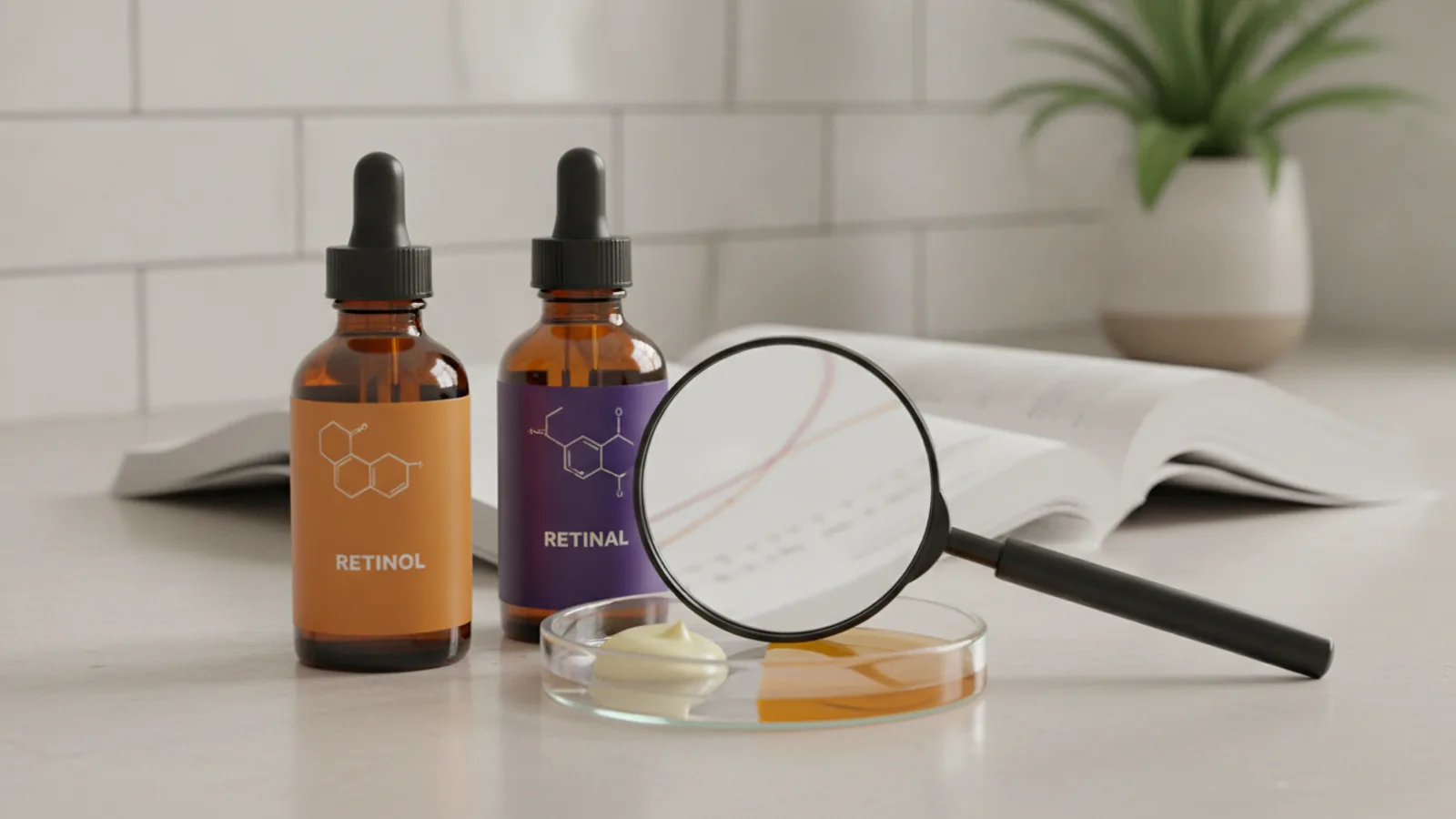
Retinol is just one type of retinoid. As your skin tolerates retinol, you might explore other forms, such as:
- Retinaldehyde (Retinal): This is one step closer to retinoic acid (the active form in the skin) than retinol, making it more potent and faster-acting, but generally still well-tolerated.
- Tretinoin (Retinoic Acid): This is a prescription-strength retinoid that works directly on the skin without needing conversion. It's the most powerful form but also comes with the highest risk of irritation and requires medical supervision.
Always research and consult a healthcare professional before transitioning to stronger retinoids.
Incorporating Other Actives (Carefully)
Once your skin is fully accustomed to retinol, you might want to introduce other beneficial ingredients into your routine, but do so with extreme caution and never on the same night as retinol initially.
- Morning Routine: Vitamin C serum is excellent for morning use as an antioxidant and can boost SPF's effectiveness.
- Alternate Nights: On nights you don't use retinol, you could introduce a gentle AHA (like lactic acid) or BHA (like salicylic acid) for additional exfoliation, but monitor your skin closely for any signs of over-exfoliation or irritation.
- Hydrating Actives: Ingredients like hyaluronic acid or niacinamide can be used daily, even with retinol, as they help support the skin barrier and reduce irritation.
Applying to Neck and Chest
Retinol's benefits aren't just for the face. The neck and chest areas are also prone to sun damage and signs of ageing. However, the skin in these areas is often thinner and more delicate.
- Strategy: Start with a very low concentration of retinol. Apply an even smaller amount than you would to your face, and begin with just once a week, gradually increasing if tolerated. Always follow with a good moisturiser and extend your daily SPF application to these areas.
How Do You Use Retinol FAQ
How much retinol should I use?
For your entire face, a pea-sized amount is all you need. Using more will not speed up results and will only increase the likelihood of irritation and side effects.
When is the best time to apply retinol?
Retinol should only be applied as part of your evening skincare routine. It degrades in sunlight and can make your skin more sensitive to UV radiation.
What ingredients should I avoid mixing with retinol?
When starting, avoid using other strong active ingredients like AHAs (alpha hydroxy acids), BHAs (beta hydroxy acids), or high-strength Vitamin C serums on the same night. These can increase irritation. Niacinamide and hyaluronic acid are generally safe to use alongside retinol.
How long does it take to see results from retinol?
Patience is key. Visible results typically take 12 weeks or more of consistent use. Some people may notice changes sooner, but significant improvements in fine lines, texture, and tone require several months.
Can I use retinol every night?
Eventually, yes, if your skin fully tolerates it. However, it's crucial to start with 2-3 times a week and gradually increase frequency. Many people find optimal results using it 3-4 times a week without needing to go nightly.
What should I do if my skin gets irritated?
If you experience redness, dryness, or peeling, immediately reduce the frequency of use (e.g., from every other night to twice a week) or take a short break (a few days to a week) until your skin calms down. Ensure you are thoroughly moisturising and using SPF daily.
Do I need to use sunscreen with retinol?
Absolutely. Retinol makes your skin more sensitive to the sun. Using a broad-spectrum SPF 30+ sunscreen daily is non-negotiable to protect your skin from damage and to ensure the benefits of retinol are not undone by UV exposure.
Is retinol safe during pregnancy or breastfeeding?
No. Retinoids are generally not recommended during pregnancy or breastfeeding due to potential risks. Always consult your doctor or midwife before using any retinol products if you are pregnant, planning to conceive, or breastfeeding.
Final Checklist for How Do You Use Retinol
Before you conclude your retinol journey for the night or for good, review this checklist to ensure you've covered all the essential steps and precautions for safe and effective use.
- Cleanse: Have you cleansed your face gently and thoroughly?
- Dry Skin: Is your skin completely dry (waited 10-20 minutes) before applying retinol?
- Amount: Did you apply only a pea-sized amount of retinol?
- Moisturise: Have you followed with a good hydrating moisturiser after the retinol has absorbed?
- SPF (Morning): Have you committed to applying a broad-spectrum SPF 30+ sunscreen every single morning?
- Frequency: Are you sticking to your planned application frequency (e.g., 2-3 times a week for beginners)?
- Listen to Skin: Are you monitoring your skin for signs of irritation (redness, dryness, peeling) and adjusting frequency or concentration if needed?
- Patience: Are you prepared for results to take several weeks or months of consistent use?
- No Pregnancy/Breastfeeding: If applicable, have you confirmed with a doctor that retinol is safe for you?
- Other Actives: Have you avoided mixing retinol with other strong active ingredients on the same night, especially as a beginner?