How Do I Use A Toner
A practical step-by-step guide to how do i use a toner, including preparation, instructions, common issues, tips, and next steps.
How Do I Use A Toner
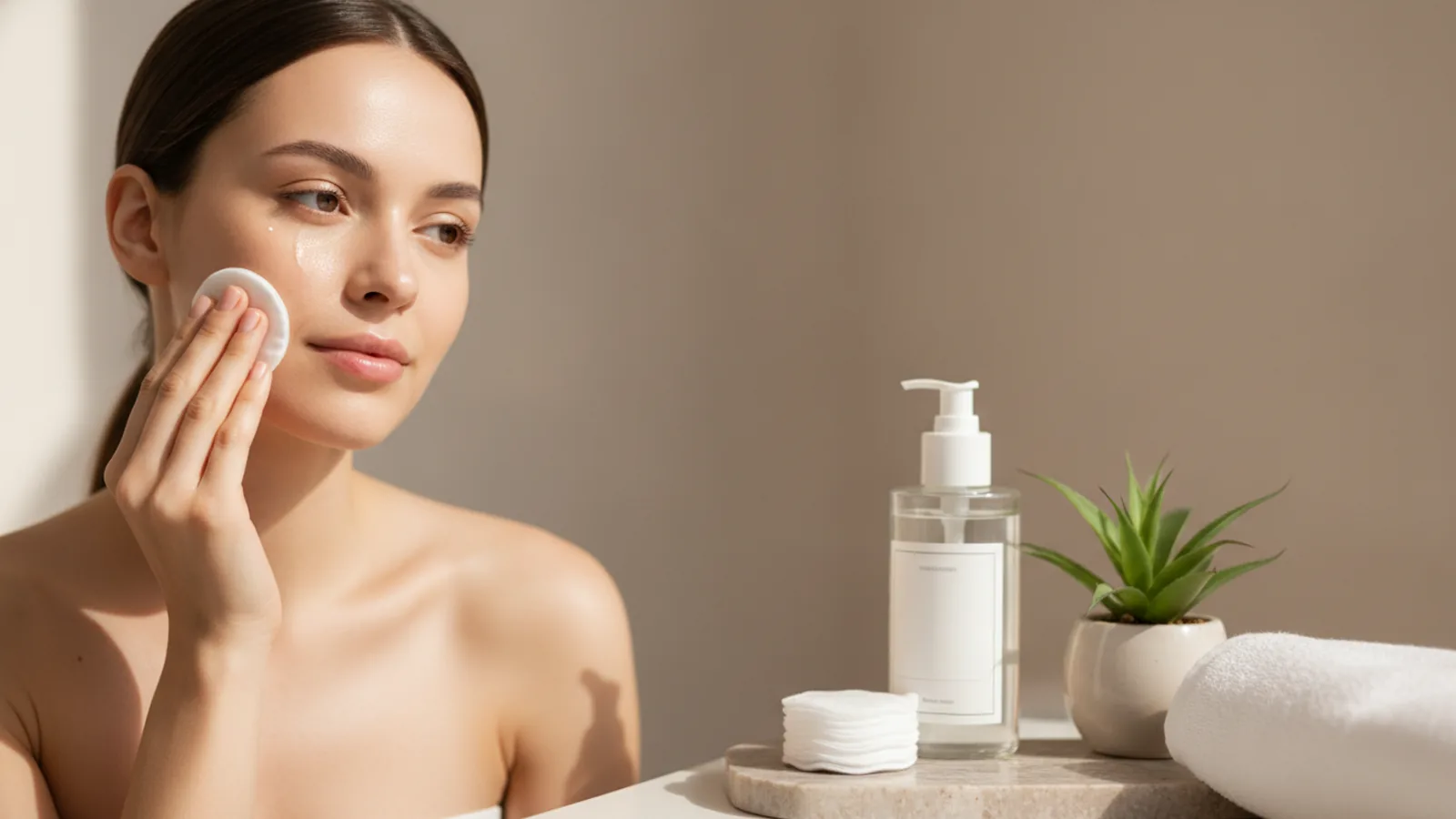
This guide explains how to approach how do i use a toner, including the preparation, practical steps, common mistakes, and final checks that help you finish with confidence.
Before You Start
What You Need
To use a toner effectively, gather a few basic items:
Safety, Timing, or Context Checks
Before you begin, consider these important points to ensure the best and safest experience:
Step-by-Step Instructions
Quick Reference
Common Problems When You How Do I Use A Toner
Even with careful application, you might encounter a few issues when introducing toner into your routine. Here are some common problems and how to address them:
Irritation, Redness, or Stinging
Problem: Your skin feels itchy, looks red, or stings after applying toner.
Fix: This is a sign that the toner might be too strong for your skin type, or you might be over-exfoliating.
Dryness or Tightness
Problem: Your skin feels tight, dry, or uncomfortable after toning.
Fix: This usually means your skin is being stripped of its natural moisture.
Breakouts or Purging
Problem: You notice new spots or breakouts after starting a new toner.
Fix: This can be confusing, as it might be "purging" (skin reacting to active ingredients by bringing impurities to the surface before clearing) or a genuine bad reaction.
No Noticeable Difference
Problem: You've been using toner consistently but don't see any improvement in your skin.
Fix:
Advanced Tips for How Do I Use A Toner
Once you're comfortable with the basics, you can explore more advanced ways to integrate toners into your routine for enhanced benefits.
Layering Toners for Different Needs
You don't have to stick to just one toner! Layering can address multiple skin concerns, but it requires careful selection.
- Exfoliating first, then Hydrating: If you use an exfoliating toner (e.g., with AHAs/BHAs) for texture or breakouts, apply it first to freshly cleansed, dry skin. Allow it to absorb fully (1-2 minutes). Then, follow with a hydrating or soothing toner (alcohol-free, with ingredients like hyaluronic acid or ceramides) to replenish moisture and calm the skin. This approach helps get the exfoliating benefits without overdrying.
- Hydrating multiple times: For extremely dry or dehydrated skin, you can apply 2-3 layers of a hydrating toner. Pour a small amount into your hands, pat onto your face, let it absorb slightly, and repeat. This "7-skin method" (though you don't need seven layers) can significantly boost hydration.
- Know your actives: Be mindful when layering different active ingredients. For example, avoid layering multiple exfoliating acids or using them with strong retinoids unless advised by a professional, as this can lead to over-exfoliation and irritation.
Toner Masks (DIY Sheet Mask)
For an intense hydration boost or to target specific areas, you can create a DIY toner mask.
- Method: Soak several thin cotton pads (or a compressed sheet mask, if you have one) with a hydrating, alcohol-free toner.
- Application: Place the soaked pads onto specific areas of your face that need extra attention, such as the cheeks (for dryness), forehead, or around the mouth.
- Duration: Leave them on for 5-10 minutes.
- Benefits: This method allows the toner to penetrate more deeply into those areas, providing concentrated hydration or soothing effects.
Using Toner as a Prep Step for Make-up
A well-toned face isn't just for skincare; it can also create a smoother canvas for make-up application.
- Benefits: A hydrating toner can plump up the skin, making fine lines less noticeable and helping foundation glide on more smoothly and evenly.
- Method: After cleansing, use a hydrating toner and allow it to absorb fully. Follow with a light moisturiser and then your primer/make-up. This helps your make-up look less "cakey" and last longer.
Adjusting Frequency Based on Skin's Needs
Your skin's needs can change daily due to weather, hormones, or other factors. Adjust your toner usage accordingly.
- Daily vs. less frequent: While many hydrating toners are gentle enough for daily (or twice daily) use, exfoliating toners might be better used 2-3 times a week to start, or even just in the evenings.
- Listen to your skin: If your skin feels sensitive, dry, or irritated, consider skipping toner for a day or two, or switch to a very gentle, soothing option. If your skin is oilier than usual, an exfoliating or balancing toner might be more beneficial.
How Do I Use A Toner FAQ
Do I need a toner in my skincare routine?
While not strictly mandatory for everyone, toners can offer significant benefits. They help to balance your skin's pH after cleansing, remove any remaining impurities, and prepare your skin to better absorb subsequent serums and moisturisers. For some skin types (e.g., very oily or acne-prone), a targeted toner can be highly beneficial.
When should I use a toner?
Toner should always be used after cleansing your face and before applying any serums, moisturisers, or facial oils. This typically means using it in both your morning and evening skincare routines.
Can I skip toner?
Yes, you can skip toner if you prefer. Modern cleansers are often pH-balanced and gentle, so the "need" for a toner to rebalance pH isn't as strong as it once was. However, if your skin has specific concerns (e.g., dryness, oiliness, dullness) that a targeted toner can address, it can be a valuable addition.
What type of toner is best for my skin type?
- Oily/Acne-prone skin: Look for toners with salicylic acid, witch hazel, or niacinamide to help control oil, minimise pores, and reduce breakouts.
- Dry/Sensitive skin: Choose alcohol-free, hydrating toners with ingredients like hyaluronic acid, glycerin, rose water, or chamomile to soothe and moisturise.
- Dull/Uneven skin: Toners with AHAs (glycolic, lactic acid) can help exfoliate and brighten. Use these carefully and less frequently.
- Combination skin: A balancing toner with gentle hydrators and mild clarifying ingredients can work, or you might spot-treat different areas.
How much toner should I use?
Generally, a small amount is sufficient. If using a cotton pad, moisten it without drenching it (usually 2-3 drops or one pump). If using your hands, a few drops (a coin-sized amount) should be enough to cover your face and neck.
Should I rinse my face after applying toner?
No, you should not rinse your face after applying toner. Toner is designed to be left on the skin to allow its ingredients to work. Rinsing it off would dilute its effects and negate its purpose.
Final Checklist for How Do I Use A Toner
Before you conclude your toning journey, run through this quick checklist to ensure you've covered all bases for effective and safe application:
- Did you cleanse your face thoroughly before applying toner?
- Is the toner you're using suitable for your specific skin type and concerns?
- Did you apply the toner gently, either with a soft cotton pad or clean hands?
- Did you allow the toner to fully absorb into your skin before moving on?
- Did you follow up immediately with your usual serum and moisturiser to lock in benefits?
- Are you checking your skin regularly for any signs of irritation or dryness?
- Are you consistent with your application, using toner as recommended (e.g., once or twice daily, or a few times a week for active formulas)?
By following these steps and keeping your skin's needs in mind, you can effectively integrate toner into your routine and help your skin look its best. Remember, consistency and choosing the right product are key to seeing results.